
Review · MOROCCO
Agadir: High Atlas Mountains, Goats on Trees & Garden Tour
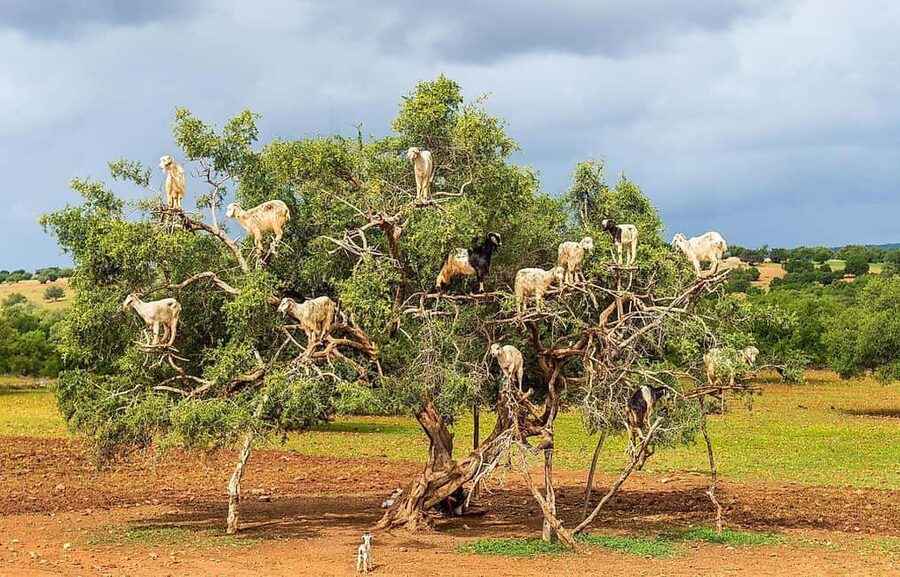
The sight of goats perched in argan trees is the hook here. From Agadir, you ride into the High Atlas foothills for open red-earth valleys, mountain viewpoints, a Berber village, and a botanical garden devoted to Moroccan plants. It is a compact way to trade the city for rural scenery.
I like the hotel pickup and air-conditioned transport, especially on roads that can feel adventurous. I also like the mix of nature and daily life: the goats and mountain views give you photos, while Aksri and Alma offer a little context about local customs, medicine, and cosmetics. The main caution is that the goat sighting is not guaranteed, and some departures may feel more like a driving tour than a full village visit.
Key points to know before booking
- Goats in argan trees: The animals may be spread out or distant, so bring patience and keep expectations realistic.
- Aksri village: This stop is meant to show Berber community life, though the amount of time spent there can vary.
- Alma botanical garden: You learn about native plants and their traditional uses in medicine and cosmetics.
- A half-day from Agadir: Pickup begins at 08:30, with the total outing usually described as roughly four to five hours.
- Several guide languages: English, French, Arabic, German, and Spanish are available.
- A $40 nature-and-culture outing: Transport and guiding are included, but food, drinks, and personal purchases are extra.
Leaving Agadir for the argan country
This tour gets you out of Agadir without demanding a full day on the road. Pickup begins at 08:30 in your hotel lobby, so you will want to be ready a little early. The ride takes you toward the foothills of the High Atlas in an air-conditioned vehicle with a local driver-guide.
The road time is a major part of the experience. That is not automatically a flaw, since the scenery changes as the city gives way to open countryside, red earth, and mountain valleys. Still, you should book this with the right frame of mind. It is a short regional outing, not a long mountain trek or a full village immersion.
The vehicle matters here. Some mountain roads are described as adventurous, and a careful driver can make the ride far more comfortable. Hicham, also written as Hisham in tour details, has been singled out for safe driving, clear explanations, and German-language guiding. If you are assigned to him, you can expect a guide who brings useful context about Moroccan culture as he drives.
The tour is limited in size, which can make the ride and stops feel more personal. A private departure is also possible, according to the available tour information. Ask about the group arrangement if personal attention is important to you.
More gardens worth a morning in Morocco:
- Marrakesh: Majorelle Garden Entry Tickets
★ 4.5 · 9,651 reviews - Marrakech: Majorelle Garden, YSL, and Berber Museum Entry
★ 4.6 · 5,168 reviews - Marrakech: Ben Youssef, Secret Garden, & Souks Walking Tour
★ 4.6 · 2,802 reviews
Looking for goats in argan trees
The first big stop is the famous goat-in-tree sight. Goats climb argan trees to reach the leaves and fruit, creating one of Morocco’s most unusual rural scenes. When the animals are close, this is a memorable photo stop and a fine example of how people, livestock, and native plants share the same countryside.
The key word is looking. The goats are living animals, not a scheduled performance. They may be high in the branches, spread across the area, or nowhere close when you arrive. One departure found only a distant herd and spent little time trying to get nearer. That means you should not treat this as a guaranteed close-up encounter.
Your guide’s effort can make a big difference. A good guide may spot animals that you miss and point out where to look. Hicham was able to find the goats and even noticed camels roaming freely in the countryside. That sort of sharp-eyed guiding adds real value to a stop that otherwise could become a quick roadside pause.
Bring your phone or camera, but do not build the whole booking decision around one photograph. The argan trees and rural setting are worthwhile even if the goats remain distant. If the animals are your only reason for booking, you may find the experience disappointing.
Mountain views above the red-earth valleys
After the goat stop, the route continues higher into the High Atlas range. You can expect broad views of rugged hills, open valleys, and red soil. These are not polished resort views. The appeal is the simple change of scale: Agadir feels far away, and the countryside gives you a better sense of southern Morocco beyond the coast.
Viewpoints are part of the trip, and they may be among the most enjoyable stops for anyone who likes photography. Take a moment to look beyond the quick snapshot. The colors, dry slopes, and scattered rural scenery help explain why this part of Morocco feels so different from Agadir.
The tradeoff is time. Several short viewpoints can add variety, but they can also make the day feel like repeated stops between long stretches in the vehicle. One four-hour outing included two or three viewpoints and considerable driving. If you prefer walking, this is not the best match. The activity is built around seeing a wider area by road, not covering a mountain trail on foot.
Wear comfortable shoes anyway. You may walk a short distance around the goat area or at the village and garden. Sunscreen and water are essential, since shade and refreshments are not included.
Aksri and the Berber village experience
Aksri is presented as a chance to see Berber village life and hear about local customs. This is the cultural center of the trip. Rather than simply photographing scenery, you get an introduction to how a community remains connected to its surroundings and traditions.
The value of this stop depends heavily on the guide and the time available. Ask questions about local customs, family life, farming, and the relationship between village residents and the surrounding land. A strong guide can turn a short visit into a useful window on Morocco. Hicham has been praised for explaining the country and its culture, and that kind of conversation is exactly what makes the village stop worthwhile.
You should also keep your expectations measured. The tour description includes Aksri, but the amount of village time may vary. One departure felt more like a series of viewpoints and commercial stops, with no real village visit. That does not mean every departure follows the same pattern, but it is a fair reason to confirm the planned stop with your guide at the start.
The experience is most rewarding when you treat Aksri as a brief introduction rather than a full cultural program. You will not be spending a full day with village residents or taking part in a long walking tour. Instead, you get a short look at rural community life, supported by the guide’s explanation.
Same season, a different set of beds:
- Marrakech: Madrassa Ben Youssef, Secret Garden & Medina Tour
★ 4.8 · 1,303 reviews - Marrakech: Majorelle & Menara Garden Tour and Carriage Ride
★ 4.5 · 692 reviews - Marrakech: André Heller’s ANIMA Garden Ticket
★ 4.7 · 637 reviews - Marrakech: Majorelle Garden Entry Tickets Online
★ 4.4 · 515 reviews
Alma’s botanical garden and Moroccan plant traditions
The final main stop is Alma, where a botanical garden presents native Moroccan plants and their traditional uses. This adds a different layer to the day. The goats show you local animal life, Aksri brings in community and custom, and Alma focuses on plants used in medicine and cosmetics.
For me, this is a useful stop because it connects the scenery to everyday life. Plants are not just decoration in the Moroccan countryside. They can have practical roles in health, beauty, cooking, and household traditions. The garden gives your guide a clear setting for explaining those links.
There is a practical point to understand. Some of the stops connected with the garden may also include a shop or sales area. One departure felt that the botanical garden functioned partly as another tourist shop. You can enjoy the plant information without feeling obliged to buy anything. Personal expenses are not included, so decide in advance how much time and money you want to give to purchases.
If you like gardens, natural products, or traditional remedies, Alma may be more interesting to you than the goat stop. If you prefer active outdoor time, it may feel brief. The tour works best because the garden is one part of a varied half-day, not because it is a major botanical attraction on its own.
How the four to five hours really feel
The advertised outing is a half-day, with the total duration described as about four to five hours. In practice, some departures have lasted closer to four hours. That shorter duration matters if you have a tight schedule, but it also means the itinerary can feel compressed.
Expect a rhythm of pickup, driving, short stops, more driving, the village and garden visits, then the return to Agadir. The air-conditioned vehicle is a welcome feature, particularly in strong sun. The included round-trip transport also saves you the work of arranging several separate rides into the foothills.
The biggest question is how much time your group spends outside the vehicle. If you want a relaxed day with long walks and unhurried conversations, this outing may feel too road-heavy. If you want a manageable escape from the city with several distinct sights, the format makes sense.
Group size is limited for a more personal experience, and private tours are available. A smaller group can help with questions and photo stops. It may also make it easier to ask for a little more time at Aksri or the goat site, though the route still depends on road conditions and the day’s schedule.
What the $40 price includes
At $40 per person, this is a reasonable value if you need transport from Agadir and want several stops in one morning. You are paying for the vehicle, hotel pickup and drop-off, a local driver-guide, and access to the goat site, village, and garden. Booking separate transport to the foothills would take more planning and could cost more once you add the return trip.
The value is strongest for people who want convenience. You do not need to navigate unfamiliar roads, organize a driver, or work out how to combine Aksri and Alma in one route. The multilingual guide option also helps if you do not speak English or French.
The price is less convincing if you expect a carefully timed five-hour tour with long visits at every stop. Food and drinks are not included, and purchases at commercial stops cost extra. Bring water and a snack from Agadir if you want something during the morning.
The tour’s quality can also depend on the guide. A careful, informative guide such as Hicham can make the driving time useful. A less active approach to finding the goats or presenting the village can leave the day feeling thin. That is the main reason to read the itinerary as a framework rather than a promise of equal time at each location.
Who should book this Agadir outing
I would recommend this tour to you if you want a short countryside escape without giving up an entire day. It suits first-time visitors who want a taste of mountain scenery, rural Morocco, Berber culture, and local plants in one manageable trip.
It also works well for photographers, plant lovers, and anyone curious about the argan-growing region. Families and couples may appreciate the simple logistics and air-conditioned ride, provided everyone can manage short walks and uneven outdoor surfaces.
You should think twice if your priority is guaranteed close contact with goats, a long village visit, or extensive hiking. The tour is not recommended for people with limited mobility, and comfortable shoes are important. The amount of walking is not presented as a demanding hike, but the stops are not designed for those who need fully accessible paths.
The route is also less suitable if you dislike commercial stops. Alma may include a shop element, and another departure included a tourist shop instead of the expected village experience. You can ask your guide at pickup to confirm how much time is planned for Aksri, the goat area, and Alma.
Practical tips for a better morning
Be in your hotel lobby before the 08:30 pickup time. The vehicle may need to collect others, and a late start can reduce time at the stops.
Wear sturdy, comfortable shoes. You may walk away from the vehicle on rough ground, and ordinary city sandals may not be ideal.
Carry water, sunscreen, and a hat. Food and drinks are not included, and sun protection is listed as essential for the outing.
Keep your camera ready at the goat stop, but do not assume the animals will pose nearby. Look into the branches and scan the surrounding countryside. A guide with a good eye may spot goats or other animals before you do.
Use the driving time well. Ask about argan trees, village customs, local plants, and traditional uses at the garden. The trip gives you more when you treat the road between stops as part of the learning.
Cancellation is flexible up to 24 hours before departure for a full refund, and you can reserve while paying later. That is useful if your Agadir plans are still shifting.
Should you book it?
Book this tour if you want an affordable, convenient half-day that combines mountain scenery, rural culture, and local plants. The safe driving and cultural explanations can be excellent, especially with a guide such as Hicham, and the chance to see goats in argan trees is unusual even when the animals keep their distance.
Skip it if the goats are your one non-negotiable sight or if you want a genuine, extended village visit. Before you leave Agadir, confirm the order of stops and ask how much time is planned at Aksri and the goat area. With realistic expectations, this is a useful snapshot of the countryside beyond the city, not a full mountain adventure.
FAQ
Where does the tour begin?
Pickup begins at 08:30 from your hotel lobby in Agadir.
How long does the tour last?
The outing is planned as a half-day experience of about four to five hours. Some departures may finish closer to four hours.
Is hotel transport included?
Yes. Hotel pickup and drop-off are included, along with transport in an air-conditioned vehicle.
Will I definitely see goats in the argan trees?
No. The goats are free-moving animals, so they may be distant or not in the trees when you arrive.
Which languages are available?
The tour can be provided in English, French, Arabic, German, and Spanish.
Is food included?
No. Food and drinks are not included, so bring water and arrange any snacks yourself.
Is the tour suitable for people with limited mobility?
No. The experience is not recommended for people with mobility impairments. Comfortable shoes are advised.
Newly planted garden visits around Morocco
- Visite the Crocodiles Park and Botanic garden★ 5.0 · 2 reviews
- Taghazout: Authentic Moroccan Botanical Garden Cooking Class★ 4.1 · 5 reviews
- Marrakech Tuk-Tuk Tour with Photography Museum+Secret Garden★ 4.4 · 12 reviews
- Marrakech Tour Gardens Majorelle, Menara & Anima Gardens★ 4.4 · 10 reviews
- Marrakesh: Bahia Palace, Ben Youssef Medersa & Secret Garden★ 4.8 · 55 reviews
- Marrakech: Majorelle Garden with a Digital Audio Guide App★ 4.1 · 21 reviews
- Marrakech: Majorel Garden, Camel ride in Palmerai, City trip★ 4.9 · 6 reviews
- Marrakech: Private Full-Day City Tour w/ Majorelle Garden★ 4.7 · 101 reviews
Morocco Garden Tours, bed by bed.
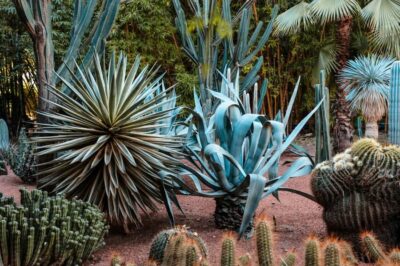
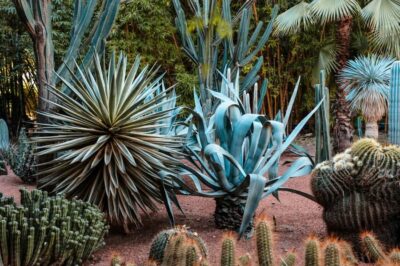
Marrakech: Majorelle Garden, YSL, and Berber Museum Entry
Read our review →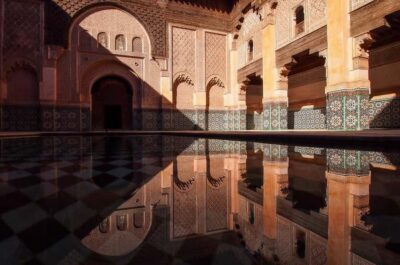
Marrakech: Ben Youssef, Secret Garden, & Souks Walking Tour
Read our review →
Marrakech: Madrassa Ben Youssef, Secret Garden & Medina Tour
Read our review →
Marrakech: Majorelle & Menara Garden Tour and Carriage Ride
Read our review →
Marrakech: Majorelle Garden Entry Tickets Online
Read our review →
Marrakech: Guided City and Gardens Highlights Tour
Read our review →Lists this garden visit belongs to