
Review · PAKISTAN
Cherry Blossoms Trip to Northern Areas of Pakistan 2020 (8D 7N)
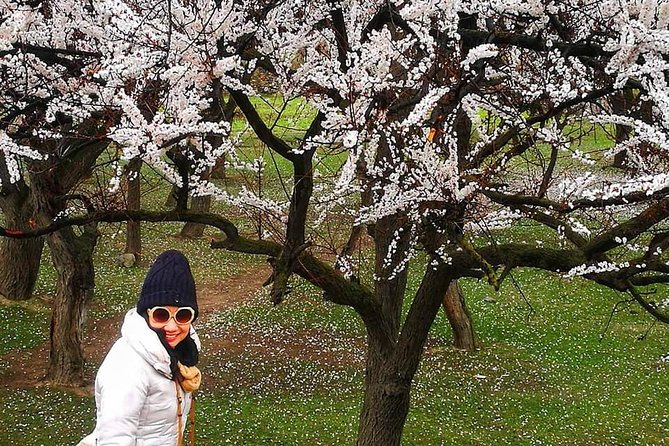
Pakistan’s cherry-blossom season comes with a bonus: a long, thrilling run along the Karakoram Highway. You’ll move from Islamabad toward Hunza, passing huge mountain ranges, high passes, blue lakes, glaciers, and small towns where the trip feels far removed from the usual sightseeing circuit.
I like the all-inclusive setup, with hotels, transport, breakfast, lunch, and dinner covered. I also like the chance to see Hunza beyond a single viewpoint, with time for Hooper Glacier, local food and music, Gilgit, Attabad Lake, and historic Taxila. The trade-off is simple: this is a road-heavy trip, with several 10 to 12-hour driving days.
Key points to know before booking
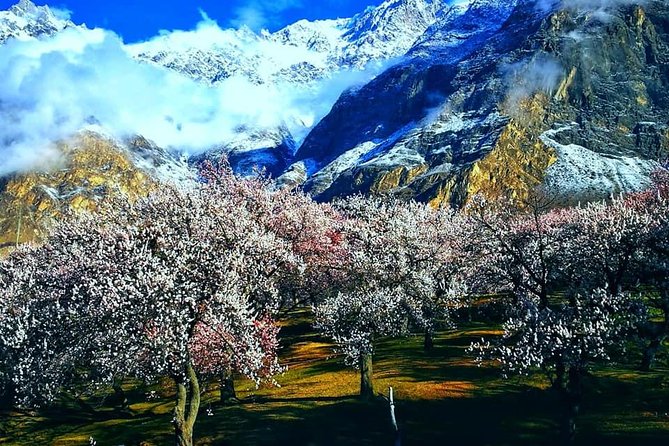
- Cherry blossoms meet the Karakoram Highway: Spring brings flowering slopes around the Hunza region, though exact bloom timing depends on weather.
- Three major mountain ranges in one journey: You visit the meeting point of the Karakoram, Himalayas, and Hindu Kush.
- Hunza gets the most attention: Attabad Lake, Passu Cones, Sost Bazaar, Hooper Valley, and several peak viewpoints fill the middle of the trip.
- Hooper Glacier includes a trek: The schedule allows about two hours for exploring the valley and walking toward the glacier.
- The price covers the basics: At $1,150 per person, you receive air-conditioned transport, accommodation, all listed meals, fees, airport transfers, and an invitation letter.
- The pace favors scenery over rest: The long drives are the price of reaching Pakistan’s far northern valleys in only eight days.
Why this cherry-blossom journey is different
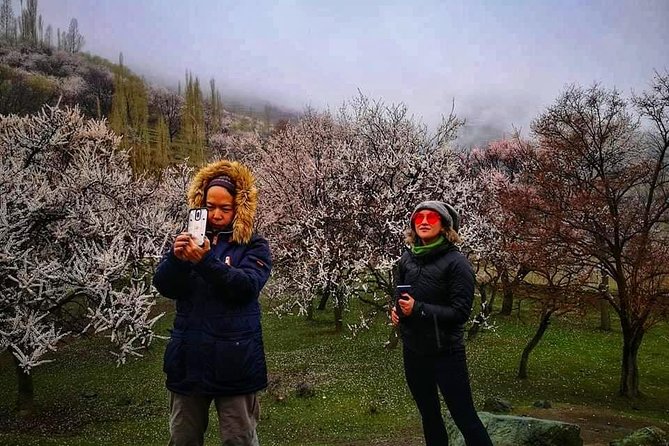
Most spring flower trips are gentle affairs, with a garden, a village, and a comfortable hotel nearby. This one is much bigger in scale. You begin in Islamabad and spend the week climbing north along the Karakoram Highway, with mountain passes and remote valleys replacing the usual city-to-city sightseeing.
The flowers are part of the appeal, but they are not the whole reason to book. You’ll also see Nanga Parbat, known locally as Killer Mountain, at a viewpoint; look toward Rakaposhi; visit Attabad Lake and the Passu Cones; and cross or approach Khunjerab Pass at about 16,000 feet.
That combination gives the trip real variety. One day brings a glacier walk. Another brings a high-altitude border route. Later, you return through Gilgit and stop at Taxila, where archaeology takes over from mountain scenery.
I would treat the cherry blossoms as a seasonal bonus rather than a guaranteed flower show. The available information points to spring and flower-blossom planning, but it does not give fixed bloom dates. If flowers are your main reason for going, ask the operator about expected conditions before you pay.
More Cherry Blossom Tours in the world:
- Mt. Fuji, Cherry Blossom & Shiba Sakura Pvt. Day Tour
★ 5.0 · 326 reviews - The DC Cherry Blossom Bus Tour with Tidal Basin Guided Walk
★ 4.5 · 151 reviews - National Mall & Cherry Blossoms Tour with Optional Museum Tickets
★ 4.5 · 112 reviews
Day 1: A simple arrival in Islamabad
The tour begins with pickup at Islamabad International Airport. You are taken to the designated hotel in Islamabad, giving you a practical first night rather than asking you to begin the long northern drive immediately.
The airport transfer matters here. After an international flight, having the first ride arranged removes one major task. The itinerary does not specify the hotel name, room category, or the exact arrival schedule, so confirm those details if they affect your planning.
The overall tour has a maximum group size of 50 people. That is not a small private trip, so ask how many people are expected on your departure date. A group of that size can make photo stops and meal timing slower, even if the vehicle and route are well organized.
Day 2: Twelve hours along the Karakoram Highway
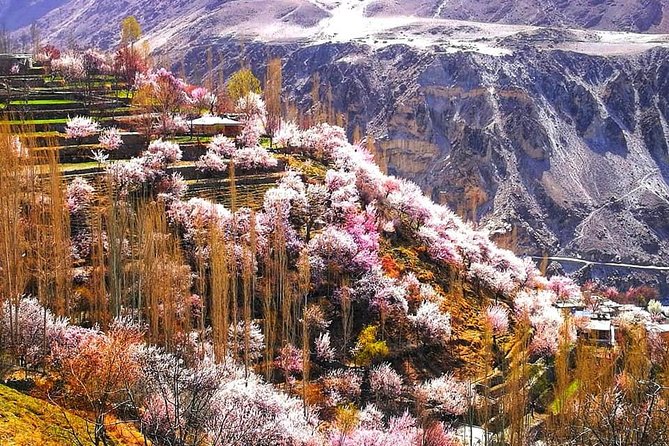
After breakfast, you drive toward Chilas, reaching Shangrila Chilas Hotel in the evening. The listed drive takes about 12 hours, with short stops for photos along the way.
This is one of the days that defines the trip. The Karakoram Highway is not just a transfer route. It is the thread tying together the northern mountains, river valleys, roadside settlements, and changing views. You are not simply flying into Hunza and checking into a resort. You are seeing how the region connects.
The drawback is the length. Twelve hours in a vehicle is a serious commitment, especially after an international arrival the day before. Pack water, snacks if you prefer particular foods, a phone charger, and something warm for stops. The tour includes lunch and dinner, but the schedule does not list exact meal times.
You spend the night in Chilas. The hotel is included, as are all accommodations on the trip, but the supplied details do not identify each property beyond Shangrila Chilas Hotel. If hotel standards matter to you, request the full accommodation list before booking.
Day 3: Entering Hunza by way of three great ranges
After breakfast, the drive continues toward Hunza. The schedule gives another eight to 10 hours, with a total day length of about 12 hours including visits.
The first major stop is the junction of the Karakoram, Himalayas, and Hindu Kush, described as the meeting point of three of the world’s highest mountain ranges. That is a worthwhile pause because it gives the journey a geographic frame. You are not just looking at impressive peaks. You are standing in a region where several major mountain systems meet.
You also stop at viewpoints for Nanga Parbat and Rakaposhi. Nanga Parbat rises to 8,126 meters and carries the dramatic nickname Killer Mountain. Rakaposhi gives you another chance to appreciate the scale of the Karakoram before reaching Hunza.
This day is scenic, but it is demanding. The itinerary lists multiple viewpoints during a long drive, so expect short visits rather than extended walks at every stop. The payoff comes in the evening, when you reach Hunza and can settle in for the main part of the trip.
More gardens worth a morning in the world:
- Paris: Versailles Palace and Gardens Full Access Ticket
★ 4.6 · 41,579 reviews - Amsterdam: Keukenhof Entry & Shuttlebus with Flexible Return
★ 4.7 · 11,891 reviews - Versailles: Skip-the-Line Tour of Palace and Gardens Access
★ 4.7 · 10,429 reviews - Marrakesh: Majorelle Garden Entry Tickets
★ 4.5 · 9,651 reviews
Day 4: Attabad Lake, Passu Cones, and Khunjerab Pass
The route heads toward the Pakistan-China border and Khunjerab Pass, listed at roughly 16,000 feet. Along the way, you visit Attabad Lake, the Passu Cones, and Sost Bazaar before returning to the Galmit area.
Attabad Lake is one of the trip’s signature sights. Its setting between steep mountain walls makes it a strong contrast to the flowering valleys and high peaks seen elsewhere. The Passu Cones are equally memorable, with their sharp, tightly grouped summits creating one of the most recognizable views in the region.
Sost Bazaar adds a human stop to what could otherwise be a day of road and viewpoints. You get a chance to walk around a local commercial center and see a different side of life along the border route.
The altitude deserves respect. The schedule places the pass at about 16,000 feet, and the provided information does not describe acclimatization days or a medical plan. You should ask the operator how weather and altitude are handled, especially if you have any health concerns. The itinerary labels this stop as one hour, but it also includes several attractions along the way, so confirm the actual time at each place.
Day 5: Hooper Valley and a walk toward the glacier
This is the most active day. After breakfast, you go to Hooper Valley in Nagar, explore the area, and trek toward Hooper Glacier. The listed activity time is about two hours before returning to Hunza for lunch.
I like this part because it gives you more than a roadside photo. You have a chance to walk, see the valley at a slower pace, and spend time outside the vehicle. The tour also leaves the rest of the day for wandering in Hunza and meeting local people.
The word trek should be read sensibly. The information does not give a trail distance, elevation gain, difficulty rating, or equipment list. It could be a short approach rather than a full-day hike. Wear sturdy shoes and ask the operator for current trail conditions before departure.
The included Hunza traditional music and food add useful cultural context. These details are not just extras on a long road trip. They give you a way to connect the scenery with the people and traditions of the valley. The schedule does not say when or where the music takes place, so confirm whether it is an evening program, a meal feature, or another arranged activity.
Day 6: Gilgit, Jaglot, and the return south
After breakfast, you start the journey toward Besham. The day includes a visit to Gilgit, time for walking and photography, lunch at Resham Restaurant in Jaglot, and another Nanga Parbat viewpoint. The listed drive takes about 10 hours.
Gilgit gives the schedule a needed city stop after several days of mountain valleys. You can wander and take photographs rather than rushing from one peak to another. Lunch at Jaglot breaks the long drive into a clear pause.
Seeing Nanga Parbat again from another viewpoint can be worthwhile, since weather and visibility change quickly in high mountain country. Do not expect the same view every time. A peak viewpoint is always dependent on clouds and light.
This is another long day, and the southbound route means you are now trading Hunza time for progress toward Islamabad. If you prefer slow travel, this schedule may feel rushed. If your priority is to see a wide range of northern Pakistan in one week, the pace is exactly what makes the route possible.
Day 7: From mountain roads to Taxila

After breakfast, you continue toward Islamabad on the Karakoram Highway. The route passes Hassan Abdal, where you visit Panja Sahib, then follows the GT Road and Khanpur Road toward Taxila.
Taxila changes the tone of the trip. After days focused on peaks, lakes, glaciers, and passes, you reach archaeological sites and the Taxila Museum. This is a useful final stop because it adds a major cultural and historical dimension to the journey.
The day is listed with about one hour at Taxila Museum, but the route also includes Panja Sahib and archaeological sites. Confirm which sites are included and how much time you will have at each one. One hour can work for a focused museum visit, but it is not enough for a slow examination of a large archaeological area.
You arrive in Islamabad in the evening. This overnight return is practical, since it avoids pairing the northern drive with an international departure on the same day.
Day 8: Islamabad before your flight
The final day is flexible around your departure time. If your flight schedule permits, you visit Faisal Mosque, the Pakistan Monument, and the Margalla Hills before airport drop-off.
Faisal Mosque is the city’s best-known landmark and an easy final introduction to Islamabad. The Pakistan Monument offers another city viewpoint, while the Margalla Hills provide a change from the high northern mountains without requiring another full day on the road.
Do not count on seeing all three if your flight is early. The tour clearly makes city sightseeing subject to departure time. Give yourself plenty of airport margin and confirm the drop-off plan the day before.
What the $1,150 price really covers
At $1,150 per person, this is not a bargain backpacker transfer, but it includes a lot for an eight-day, long-distance route. The package covers an air-conditioned vehicle, all fees and taxes, accommodation, airport pickup and drop-off, and all listed meals.
You receive seven breakfasts, eight lunches, and eight dinners. That is unusually useful on a route where meal stops may otherwise take planning. The package also includes a letter of invitation, which may be important for your travel arrangements, though you should confirm exactly how it is issued and what it supports.
The price also includes Hunza traditional music and food. Since the schedule is full of driving, having cultural activities and meals arranged helps keep the trip simple.
The main value lies in logistics. You are paying to connect Islamabad, Chilas, Hunza, the border route, Nagar, Gilgit, Besham, Taxila, and Islamabad without arranging separate vehicles, hotels, meals, and permits yourself. The main question is not only cost. It is whether you want that much structure and road time.
Who will enjoy this trip most
I would recommend it to you if you want a broad first look at northern Pakistan and do not mind long drives. It suits photographers, mountain lovers, people interested in local food and music, and anyone who wants to combine nature with sites such as Taxila and Panja Sahib.
It is also useful for solo visitors who want airport pickup, arranged transport, and a planned route. Saleem is identified as the tour manager, and Ali is praised specifically for responsible driving. Communication with Saleem before departure is worth using to clarify hotels, group size, bloom timing, and the exact plan for the glacier walk.
Families may appreciate the included meals and simple transfers, but the long driving days could test younger children. Anyone seeking a relaxed holiday with short daily excursions should choose a slower itinerary instead.
The trip is not designed around one long trek. Hooper Glacier is the main walking outing, but most of the experience comes from road travel, viewpoints, short visits, and changing scenery.
Practical details that affect your decision
Pickup is offered at Islamabad International Airport, with the stated start time listed as 12:00 am. Confirm the precise pickup arrangement with the operator, especially if your flight arrives at another hour.
Booking confirmation is provided at the time of booking. The activity uses mobile tickets, and most people can participate according to the supplied information. No special accessibility details are given, so ask before booking if you need a specific vehicle or mobility support.
The cancellation policy allows a full refund if you cancel at least 24 hours before the local start time. Changes or cancellations inside that window are not accepted for a refund. The trip depends on good weather and a minimum number of participants. If poor weather or low enrollment causes cancellation, you are offered another date or experience, or a full refund.
Should you book the Hunza cherry-blossom trip?
Book it if you want a bold, all-in-one introduction to Pakistan’s northern areas, with the major costs handled and the route already arranged. The strongest parts are the Karakoram Highway, Hunza Valley, Attabad Lake, Passu Cones, Hooper Glacier, high mountain viewpoints, local food, and the contrast between Taxila and the northern valleys.
Think twice if you need short drives, fixed flower dates, detailed hiking information, or a small private group. The 10 to 12-hour road days are the central challenge, not a minor footnote.
For the best decision, ask three questions before paying: how many people are booked, where you will stay each night, and what cherry-blossom conditions are expected during your dates. If those answers suit you, $1,150 buys a wide-ranging route that would be difficult to arrange independently in only eight days.
FAQ
Where does the tour start?
The tour starts with pickup at Islamabad International Airport in Islamabad, Pakistan.
How long is the tour?
The experience lasts approximately eight days and seven nights.
What is the price per person?
The listed price is $1,150 per person.
Are airport transfers included?
Yes. Round-trip transfers from Islamabad International Airport are included.
Are meals included?
Yes. The package includes seven breakfasts, eight lunches, and eight dinners.
Which places are visited in Hunza?
The route includes Hunza Valley, Attabad Lake, Passu Cones, Sost Bazaar, Galmit, and Hooper Valley in Nagar.
Does the tour visit Khunjerab Pass?
Yes. The route goes toward Khunjerab Pass on the Pakistan-China border, listed at about 16,000 feet.
Is the Hooper Glacier visit a trek?
Yes. The schedule includes exploring Hooper Valley and trekking to Hooper Glacier. The listed activity time is about two hours, but trail distance and difficulty are not specified.
What happens if the tour is canceled?
If poor weather or failure to meet the minimum number of participants causes cancellation, you are offered another date or experience, or a full refund.
Newly planted garden visits around the world
- Sunday Market and Gardens Tour★ 4.0 · 10 reviews
- Botanical Trails of Madeira. Mountain biking Trail Experience★ 5.0 · 42 reviews
- Monte Tropical Garden & Toboggans private Tuk-Tuk tour★ 5.0 · 25 reviews
- Funchal Old Town & Palheiro Gardens Private Tuk Tuk Tour★ 5.0 · 8 reviews
- Kensington Palace VIP Garden Tour with Royal High Tea★ 4.5 · 71 reviews
- Private Half-Day Tour to Monet’s Garden in Paris★ 5.0 · 3 reviews
- Madeira Botanical Gardens and Old Town Tuk Tuk Tour by MadTuk★ 4.5 · 7 reviews
- Secret Gardens of London Private Tour★ 5.0 · 13 reviews
Cherry Blossom Tours, bed by bed.
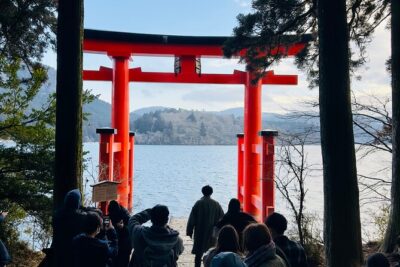

The DC Cherry Blossom Bus Tour with Tidal Basin Guided Walk
Read our review →National Mall & Cherry Blossoms Tour with Optional Museum Tickets
Read our review →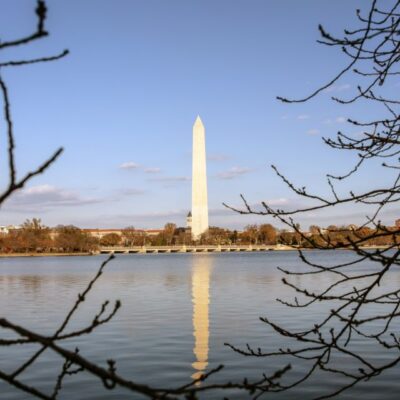
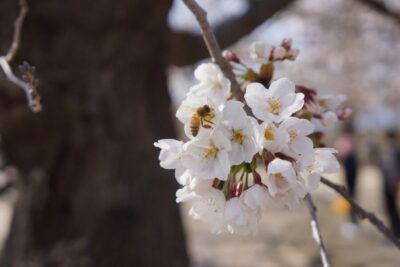
Nagano: 1-Day Snow Monkey & Cherry Blossom Tour in Spring
Read our review →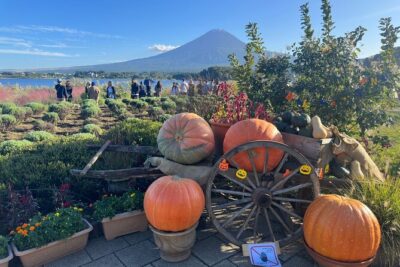

Nagano Spring: 1-Day Cherry Blossoms & Snow Monkeys Guided Tour
Read our review →Lists this garden visit belongs to