
Review · THE USA
Historic Charleston: The Battery, Rainbow Row, St. Michael Church
Charleston’s story comes into focus on foot, block by block, from the slender steeple of St. Philip’s Church to the harbor views at the Battery. This tour links grand churches, pastel houses, civic buildings, and sites tied to slavery in one compact walk.
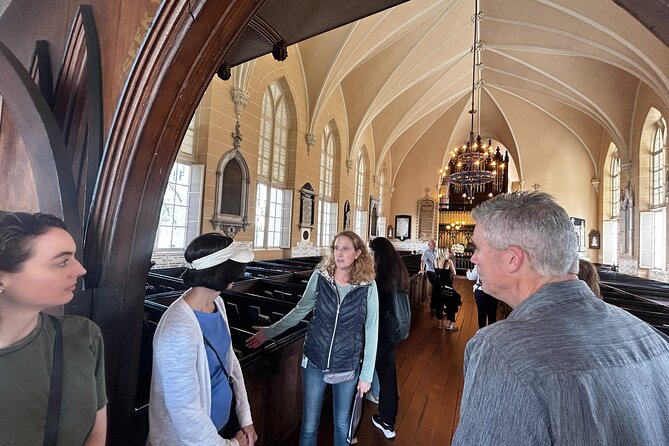
I like the small group limit of 20, which gives guides such as Eric and Erik room to answer questions and adjust the conversation to your interests. I also like the leisurely pace, with time for photographs and short stops rather than a rushed march through downtown.
The main drawback is simple: you may not get inside every church. These are active congregations, so entry depends on availability, and the tour still takes place outdoors in changing weather. Wear good walking shoes, and bring rain protection if the forecast looks doubtful.
Key points to know before you book
- A two-hour walk through Charleston’s historic center: The route covers churches, civic landmarks, Rainbow Row, Washington Square, the Battery, and the Old Slave Mart area.
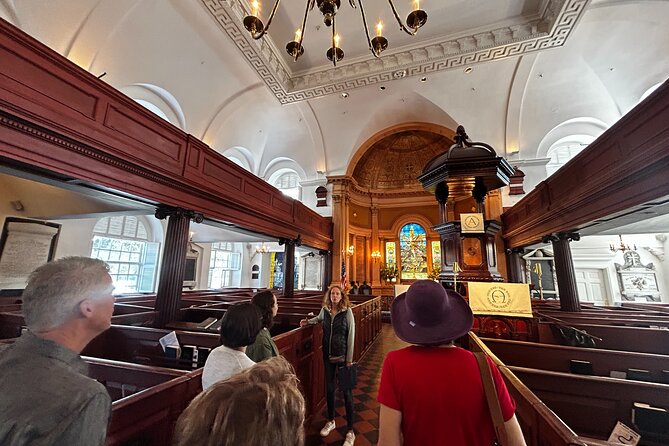
- Church interiors depend on access: St. Philip’s and St. Michael’s may be open, but both remain working churches.
- A guide-led experience, not a self-guided stroll: Licensed guides provide live commentary and connect architecture with Charleston’s political and social past.
- The Battery supplies the big views: Expect harbor scenery, old artillery, stately homes, and strong photo opportunities.
- The route includes difficult history: The Old Slave Mart Museum and the city’s slavery-era past receive attention, adding needed depth to the pretty streets.
- A flexible small-group format: The maximum group size is 20, and the tour ends where it begins at Washington Square.
Why this Charleston walking tour works
This is a useful first look at Charleston because the route does not stay in one historical lane. You move from religious buildings to government, from colorful homes to waterfront defenses, and from postcard views to the painful story of the slave trade.
That range matters. Charleston can look like a city of polished facades and flower-filled squares if you only stroll without context. A good guide helps you see how power, faith, commerce, race, and architecture shaped the same few blocks.
You meet at Washington Square at 10:00 a.m. The tour lasts about two hours and returns to the meeting point. That makes it easy to fit into a first morning in town, especially if you want an orientation before exploring on your own.
The route includes several short stops. The walking time between them is part of the experience, so do not read the five-minute church visits as the full amount of time devoted to those sites. Your guide’s commentary fills in the connections as you move through the streets.
Historic gardens and their stories around the USA:
- Aboriginal Heritage Walk – Royal Botanic Gardens Victoria, Melbourne Gardens
★ 5.0 · 314 reviews - Beijing Historical Tour II including Summer Palace, Lama Temple & Panda Garden
★ 4.0 · 187 reviews - Authentic Amalfi Lemon Tour & Tasting in the Historical Garden
★ 5.0 · 52 reviews
St. Philip’s Church and Charleston’s churchyard stories
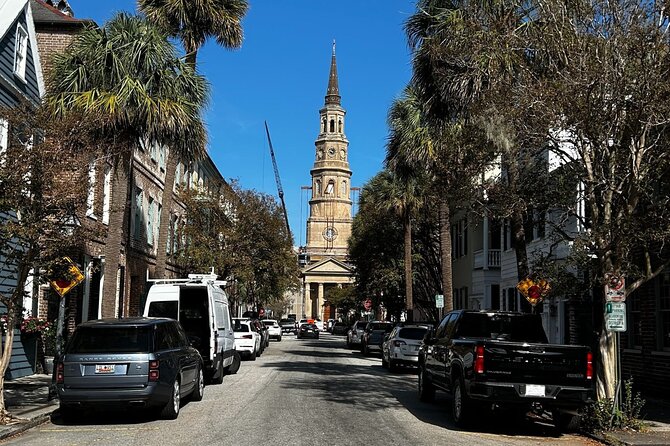
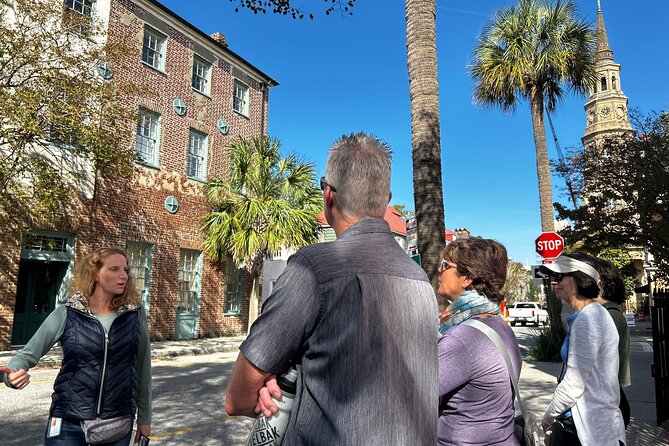
The first stop is St. Philip’s Church on Church Street. Completed in 1836, the church is known for its tall steeple, which can be seen from far across the city.
Inside, you may get a look at the grand interior and its historic organ, though access is not guaranteed. The graveyard is also important. Notable figures are buried there, and even a short stop can prompt useful questions about who held influence in Charleston and how the city remembered its leaders.
The listed visit is brief, about five minutes, so this is not a full church tour. I would treat it as a carefully chosen introduction to Charleston’s religious and civic life. If entry is possible, pay attention to the architecture and organ. If not, the exterior and graveyard still give your guide plenty to explain.
St. Michael’s Church and a reminder about access
St. Michael’s Church is one of the route’s major visual landmarks. Built in 1752, it is described as the oldest surviving religious structure in Charleston, with a tall spire that helps define the city skyline.
The church is also associated with visits by George Washington and Robert E. Lee. Inside, you might see the grand interior and Tiffany stained-glass windows, but the doors are subject to availability because St. Michael’s remains an active place of worship.
This uncertainty is worth understanding before you book. You are paying for a guided walking experience with access to one to three historic sites when available, not a guaranteed interior tour of every church. If the doors are closed, the guide can still explain the building’s role and point out details you might miss alone.
Four Corners of Law in five minutes
At the Four Corners of Law, Charleston’s local, state, federal, and church authority meet at one intersection. It is a small stop with a large idea behind it.
You will not spend long here, but the location helps explain how Charleston’s public life was organized. The point is less about a single monument and more about reading the surrounding buildings as evidence of different kinds of authority.
This is the sort of stop that benefits from a guide. Without explanation, you might walk through the intersection and see only handsome old buildings. With context, the corner becomes a quick lesson in how government and religion shared the center of the city.
Same season, a different set of beds:
- Seattle: Space Needle & Chihuly Garden and Glass Ticket
★ 4.7 · 1,890 reviews - Space Needle and Chihuly Garden and Glass Combination Ticket
★ 4.5 · 1,551 reviews - National Mall Tour with 10+ Stops, Boat Cruise, Entry Tickets
★ 4.5 · 1,212 reviews - Princeville Botanical Gardens Tour and Chocolate Tasting Ticket
★ 5.0 · 774 reviews
Rainbow Row, Charleston’s most photographed color
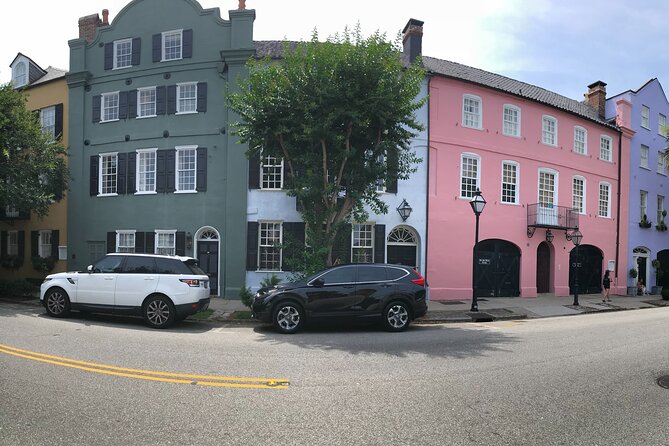
Rainbow Row brings a lighter visual change. The row of pastel-colored historic houses is one of Charleston’s most recognizable sights and an easy place to take photographs.
The stop is short, about five minutes, so do not expect a long architectural inspection of every house. You will have enough time to see the row, hear why it matters to the city’s visual identity, and take a few pictures.
I like that Rainbow Row appears alongside the churches and harder historical sites. Charleston’s beauty is real, but it should not be separated from the forces that created the city. The tour keeps those subjects in the same conversation.
Dock Street Theater and the question of entry
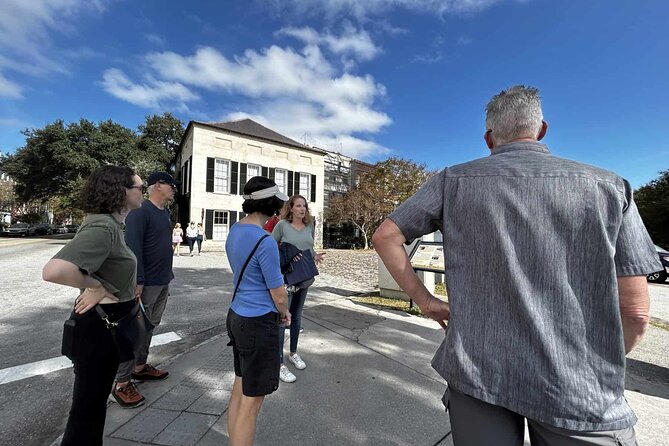
Dock Street Theater adds another piece to Charleston’s cultural story. It is identified as America’s first building designed specifically for theatrical performances.
This stop lasts about ten minutes, and admission is included when access is available. As with the churches, entry can depend on what is happening at the building, so do not assume you will receive a full indoor theater visit every time.
Even from outside, the site helps broaden the tour beyond churches and government. Your guide can place theater within the city’s social life and point out why this building matters. If the doors are open, the extra interior access makes this one of the more useful inclusions in the walk.
Washington Square, the tour’s calm center
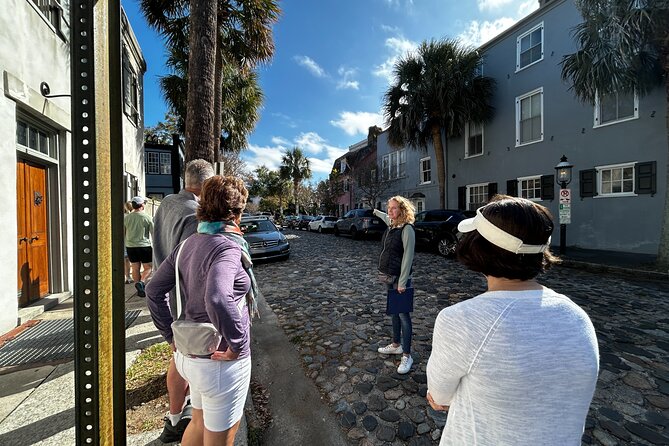
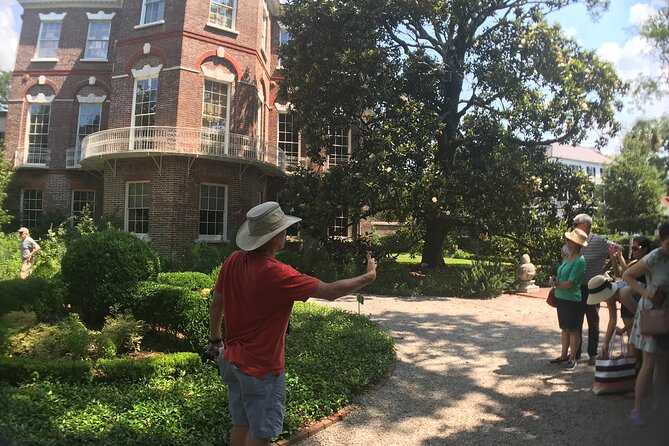
Washington Square is both the meeting point and one of the stops. The square offers live oaks, planted areas, statues, and plaques tied to Charleston’s past.
The ten-minute visit gives you a chance to slow down. After several blocks of urban walking, a shaded square can make the tour feel more relaxed, particularly on a warm day.
Because the tour begins and ends here, Washington Square also makes practical sense as a base. You do not need to arrange a separate pickup or find your way across town at the end. The walk finishes where it starts.
The Battery and Charleston Harbor views
The Battery is the scenic payoff. This waterfront promenade gives you views across Charleston Harbor, along with old artillery and rows of stately homes.
The ten-minute stop is short, but the setting is open and photogenic. You will want to look in more than one direction: toward the water, along the promenade, and back at the houses that line the edge of the city.
The Battery also helps explain Charleston’s defensive past. The artillery is not just decoration, and the waterfront location shows why this stretch mattered. Your guide’s live commentary gives the view a stronger sense of place than a quick photo stop would provide on its own.
Do not expect a long waterfront walk during this tour. The Battery is one part of a larger route, not the entire activity. If you want extended time by the harbor, return later after the guided walk.
The Old Slave Mart and the history you should not skip
The Old Slave Mart Museum is included as an important reminder of Charleston’s role in the buying and selling of enslaved people. The stop addresses the lives of enslaved people, their resilience, and the lasting effect of slavery on Charleston and the United States.
The information provided does not give a set admission time or promise a full museum visit, so treat this part as a place of interpretation within the walking route rather than a guaranteed long indoor session. The subject deserves care, and it gives the tour necessary balance after the churches, pastel houses, and harbor views.
I appreciate that this difficult history is not pushed aside. A Charleston walk that shows only elegant homes and old churches would leave out the people whose forced labor helped build the city. This stop encourages you to look beyond architecture and consider the human cost behind Charleston’s wealth and growth.
The guide makes the difference
The strongest part of this experience is the live guide. Eric and Erik are specifically associated with tours that offer clear explanations, good storytelling, and patience with questions. The best guide for you will be one who can connect separate stops rather than recite isolated dates.
The small group helps. With no more than 20 people, the guide can respond to interests in architecture, military history, religion, or the city’s social past. The walk can feel more personal than a large group tour, and you have a better chance to hear the commentary clearly.
The pace also matters. Feedback describes the walk as leisurely, with enough time to follow the stories and ask questions. That makes this a better choice for people who want context instead of a fast list of landmarks.
Rain does not necessarily ruin the experience, but it changes it. One person found the tour worthwhile even in wet weather, while the practical lesson is clear: wear shoes with good support and bring suitable rain gear. The city’s streets and the two-hour duration are not a good match for flimsy footwear.
Value, timing, and who should take it
No tour price is provided here, so I cannot judge the exact cost in dollars. The value depends on how much you want from a guide. If you only want photographs of Rainbow Row and the Battery, you can see those areas without paying for a tour.
The guided format earns its keep when you want connections among the sites. You receive a licensed guide, live commentary, and a route that covers several major parts of central Charleston in two hours. Admission to one to three historic sites is included when available, and Dock Street Theater admission is included as part of the experience.
I would recommend it as an orientation on your first day in Charleston. Afterward, you can return to the Battery, Washington Square, or the churches that interested you most. It is also a good fit for people who prefer a moderate walking pace and direct explanations over a self-guided phone app.
The route may suit most participants, and service animals are allowed. It is near public transportation, which helps if you are arriving without a car. Still, you should be ready to walk outdoors for about two hours and accept that church access can change.
Booking details that matter
The meeting point is Washington Square, at 80 Broad Street, Charleston, South Carolina 29401. The start time is 10:00 a.m., and the activity ends back at the same meeting point.
Your booking confirmation arrives at the time of booking. You can cancel for a full refund up to 24 hours before the local start time. Cancellations or changes made within 24 hours are not refunded or accepted.
The tour is offered in English. Since the group maximum is 20, booking ahead is sensible if you want the morning departure, particularly during a busy visit to Charleston.
Should you book this Charleston walk?
Book it if you want a well-paced introduction to Charleston that mixes architecture, civic life, waterfront views, and the history of slavery. The route is especially useful for first-time visitors who want a guide to explain what they are seeing rather than simply point out old buildings.
Think twice if your main goal is guaranteed church interiors or a long museum visit. Access to St. Philip’s, St. Michael’s, and other historic buildings can change because they are active sites, and the tour covers many places in only two hours.
For most people, I would choose this as an opening walk. Bring comfortable shoes, keep your expectations realistic about indoor access, and use the Battery and Old Slave Mart stops as reasons to explore further after the tour.
FAQ
How long is the Charleston walking tour?
The tour lasts approximately two hours and ends back at Washington Square, where it begins.
Where does the tour meet?
The meeting point is Washington Square, 80 Broad Street, Charleston, South Carolina 29401.
What time does the tour start?
The scheduled start time is 10:00 a.m.
Is entry to St. Michael’s Church guaranteed?
No. The churches are active places of worship, so interior access depends on availability.
What is included with the tour?
The experience includes a professional licensed guide, live commentary, a two-hour guided walk, and entrance to one to three historic sites when available. Dock Street Theater admission is included.
Can I cancel for a full refund?
Yes. You must cancel at least 24 hours before the local start time to receive a full refund. Cancellations or changes made within 24 hours are not accepted or refunded.
Newly planted garden visits around the USA
- Byodo Temple and Waimea Botanical Garden Tour★ 5.0 · 42 reviews
- Flamingo Gardens’ Garden of Lights★ 3.0 · 22 reviews
- Couples Outdoor Bamboo Garden Massage or Ultimate Candlelight Signature Massage★ 4.0 · 16 reviews
- Luxury Private Van to Pikes Peak Garden of Gods★ 5.0 · 2 reviews
- Private Full DayJeep Tour Garden of Gods Pike’s Peak from Denver★ 5.0 · 39 reviews
- Pikes Peak & Garden of Gods – Private Tour★ 5.0 · 25 reviews
- Texas Discovery Gardens General Admission★ 5.0 · 2 reviews
- Dallas Arboretum and Botanical Gardens Tour★ 5.0 · 3 reviews
USA Garden Tours, bed by bed.
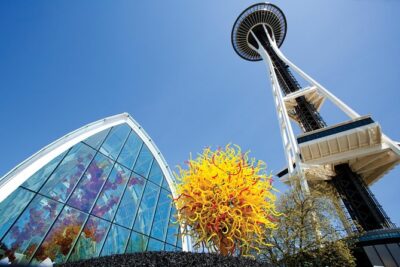
Seattle: Space Needle & Chihuly Garden and Glass Ticket
Read our review →
Princeville Botanical Gardens Tour and Chocolate Tasting Ticket
Read our review →
South Maui: Snorkel to Coral Gardens or Molokini Crater
Read our review →
Maui Afternoon Snorkel Aboard Malolo to Molokini or Coral Gardens
Read our review →
Big Island Waterfalls Tour with Swimming and Botanical Garden
Read our review →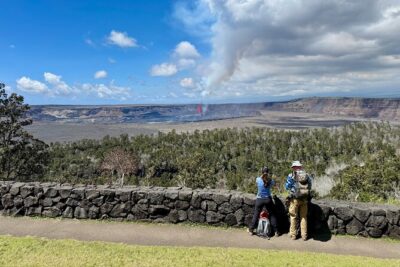
Hilo Shore Excursion: Active Volcano, Lava Tube, Waterfall and Gardens
Read our review →
Lists this garden visit belongs to