
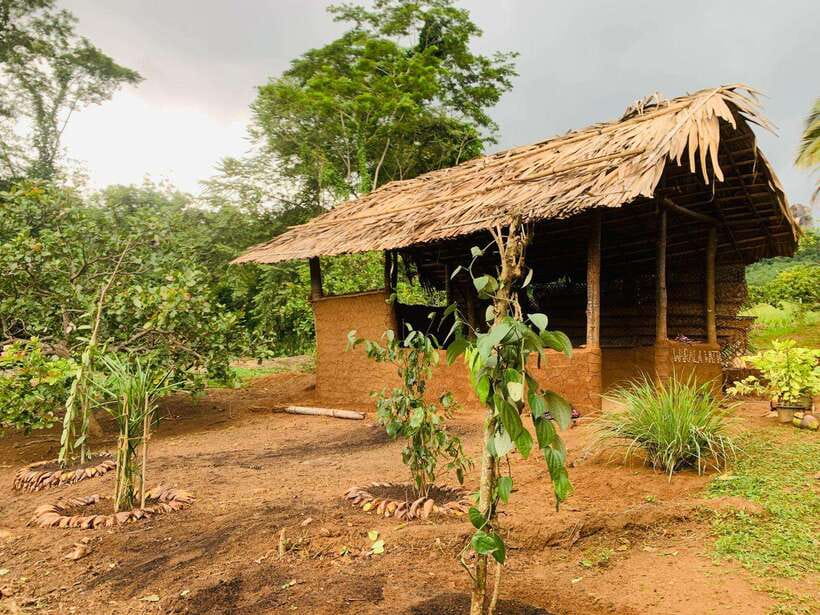
Review · SRI LANKA
Sri Lanka: Ceylon Cinnamon Experience & Spice Garden Tour
The best part of this three-hour visit is getting your hands on Ceylon cinnamon. You watch bark being peeled, shaped, and prepared into a cinnamon quill, then try making one yourself. It turns a familiar kitchen spice into a careful, highly skilled craft.
I like the small groups, limited to 10 people, and the generous mix of garden walks, tastings, and factory work. I also like the friendly personal touch from guides Roha and Dilan, whose team has made solo visitors feel well looked after. The main consideration is access: the garden involves walking and is not suitable for wheelchair users, people with mobility impairments, or pregnant women.
Key points about the Warala Watta spice tour
- Cinnamon becomes the main event: See the traditional process from harvesting and peeling bark to forming a cinnamon roll.
- The tour uses your senses: Smell, touch, and taste spices during an interactive identification challenge.
- Fresh fruit gets a Sri Lankan twist: Try tropical fruit with selected spice blends, alongside garden spices and tea.
- You visit a working farm and factory: This is more than a display garden. You see how spices move from plant to finished product.
- The small group matters: With a maximum of 10 people and an English-speaking guide, questions are easier and the hands-on parts feel more personal.
- You must arrange transport: The $20 price covers the experience itself, not travel to or from Warala Watta Farm.
Cinnamon peeling is the heart of the experience
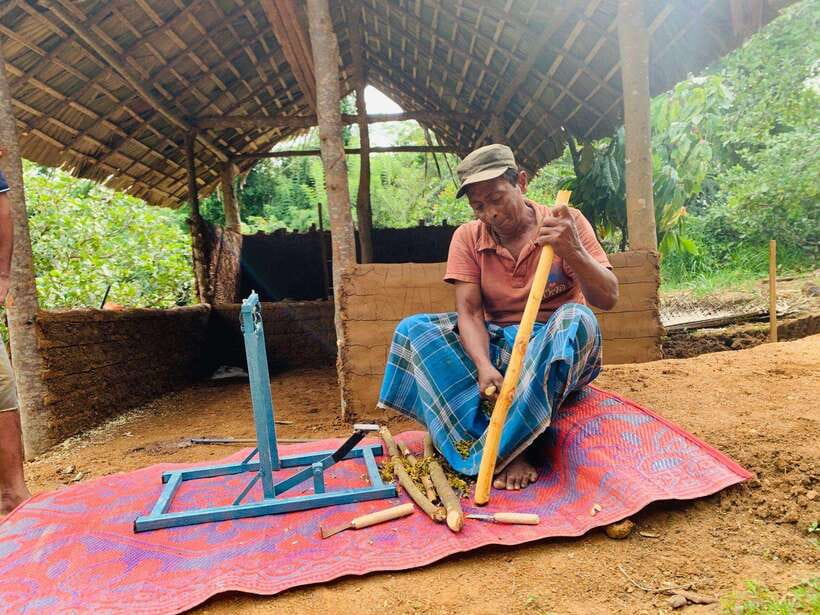
Cinnamon is easy to buy in a supermarket, but its production is far less simple than the neat sticks in your spice drawer suggest. At Warala Watta, you see how the bark is handled and prepared, step by step.
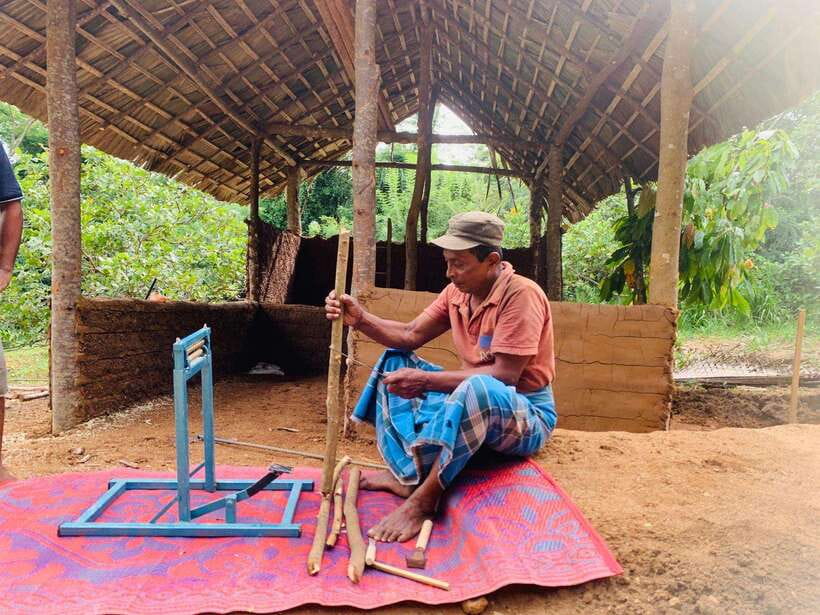
The guide shows the traditional cinnamon process, including peeling the outer bark and working with the inner layers. You then get a chance to take part in making a cinnamon quill. This hands-on stage is the strongest reason to choose this tour over a quick walk through a standard botanical garden.
You also gain a useful distinction between seeing a crop and understanding it. Cinnamon is not simply picked, dried, and packed. The work requires care and practice, and the finished quill reflects that labor. If you enjoy food tours, farming visits, or craft demonstrations, this part gives the outing a clear purpose.
The exact seasonal farming activity can vary. Spice harvesting is listed as seasonal, so you may see different stages of farm work depending on the time of year. The cinnamon-making demonstration remains the dependable centerpiece.
More Spice and Herb Gardens in the world:
- Ella : Cooking class with amazing Spice Garden Tour
★ 5.0 · 239 reviews - Alcamo Farm Animals and Aromatic Garden
★ 4.0 · 45 reviews - Day Tour to Elephant Orphanage / spice garden
★ 5.0 · 20 reviews
A guided walk through Sri Lanka’s spice plants
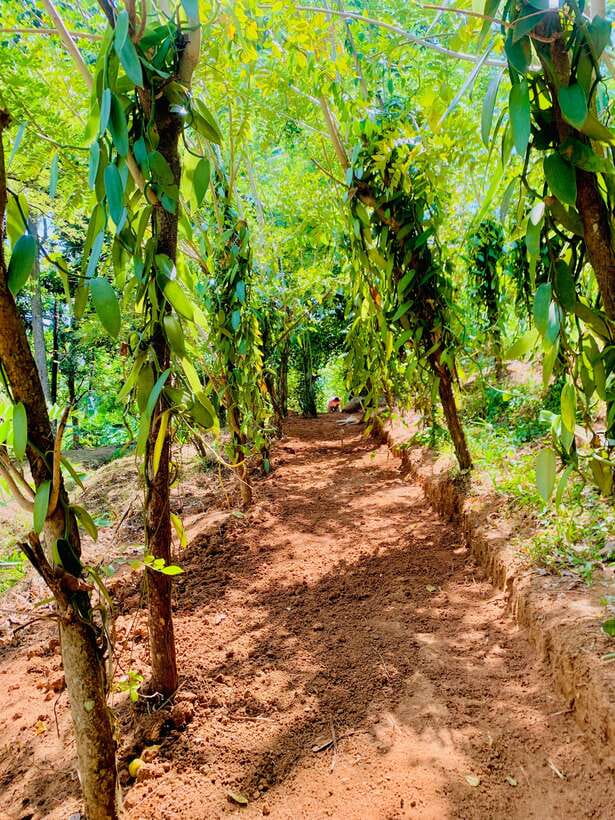
The garden walk takes you among cinnamon, black pepper, cloves, cardamom, and other Sri Lankan spices. Your English-speaking guide explains how the plants are grown, how they are used in cooking, and how some are connected with traditional medicinal practices.
This is where a guide adds real value. Many spice plants are not immediately obvious, especially when you are used to seeing them dried, ground, or packed in jars. A garden visit helps you connect the plant to the flavor you know at home.
The walk also includes information about organic farming and sustainable growing. That makes the farm visit more than a shopping stop. You get a look at how spices are produced and why fresh plants can taste and smell different from processed products.
Wear proper walking shoes. The tour takes place in a plantation setting, and the ground may not be as easy as a paved city attraction. A hat, sunscreen, water, and insect repellent are sensible additions. You are asked not to touch plants unless invited to do so, which protects both the garden and its crops.
The sensory challenge makes the garden more memorable
The spice sensory activity asks you to identify ingredients through smell, taste, and touch. This is a simple idea, but it works well because it turns a guided explanation into a personal test.
You might recognize cinnamon at once, then hesitate over a less familiar spice. That moment of uncertainty is useful. It shows how much information is lost when spices are reduced to anonymous powders in a kitchen cupboard.
The exercise also suits mixed groups. Adults who enjoy cooking can compare notes, while children and first-time visitors get a playful way to learn. The experience is not described as a formal cooking class, so you should expect tasting and identification rather than a full meal or recipe lesson.
Fresh spices, tea, and fruit with a local twist
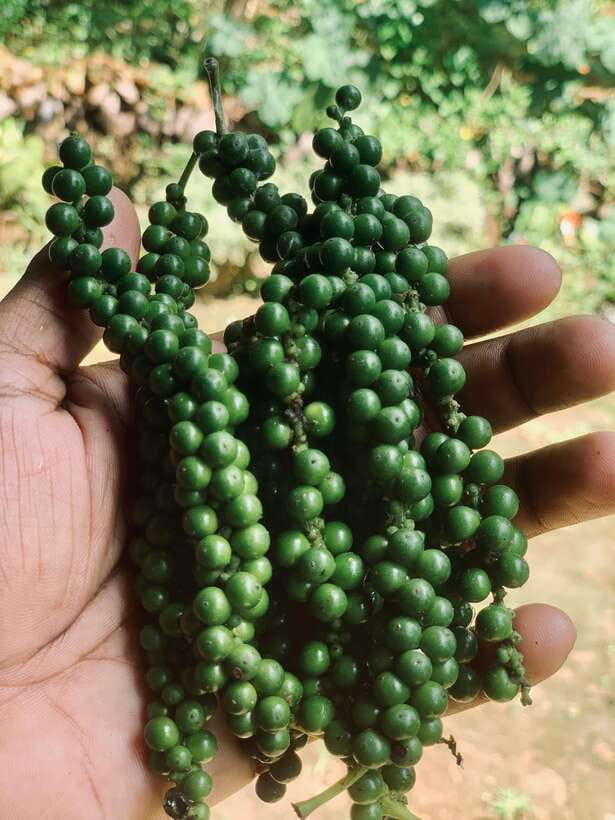
The tasting portion brings the garden’s lessons to the table. You sample fresh spices and discuss their flavor and possible health uses, then try tropical fruit with Sri Lankan spice blends.
That fruit tasting is a particularly nice touch. It shows how spices can change a familiar sweet or sour flavor without turning the tasting into a heavy meal. You may also try local tea with spices, giving you another way to notice the difference between aroma and heat.
The farm-to-table format matters here. You are tasting ingredients connected to the plants you have just seen, rather than sampling unrelated food brought in from elsewhere. Still, remember that meals are not included. The tasting is part of the tour, but it should not replace lunch if you need a full meal afterward.
Those with strong food sensitivities should ask the guide about ingredients before tasting. The supplied details do not list specific allergens or dietary options, so do not assume every sample will suit you.
More gardens worth a morning in the world:
- Paris: Versailles Palace and Gardens Full Access Ticket
★ 4.6 · 41,579 reviews - Amsterdam: Keukenhof Entry & Shuttlebus with Flexible Return
★ 4.7 · 11,891 reviews - Versailles: Skip-the-Line Tour of Palace and Gardens Access
★ 4.7 · 10,429 reviews - Marrakesh: Majorelle Garden Entry Tickets
★ 4.5 · 9,651 reviews
The factory visit shows what happens after harvest
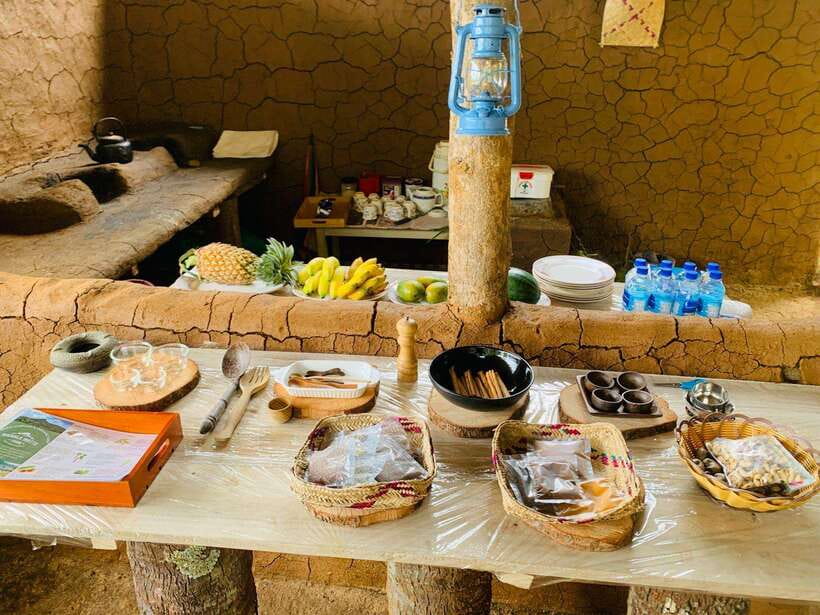
After the garden and hands-on cinnamon work, you visit the spice processing factory. This section follows the journey from raw plant material to a finished product and includes an explanation of quality checks.
The factory adds practical context. In the garden, you see where the spice begins. In the processing area, you see why cleaning, preparation, and quality control matter before anything reaches a shop or kitchen.
The visit also helps you judge what you are buying. A spice can look attractive in a packet, but its value depends on how it was handled and prepared. You do not need to be a serious cook to appreciate this section. Anyone who buys cinnamon, cloves, pepper, or chili powder will understand the connection.
A shop visit is not listed as a formal included stop, but one visitor bought cinnamon, cloves, black pepper, and chili powder at fair prices after the tour. If shopping is important to you, allow a little extra time and ask whether products are available on the day. Do not treat purchases as part of the $20 admission price.
What the three-hour schedule feels like

The full visit lasts about three hours, though one reported visit took roughly two and a half hours. That difference is normal for a small farm experience, where questions, demonstrations, and group size can affect the pace.
You should expect a balanced sequence:
- A guided walk through the spice garden
- Explanations of growing methods, uses, and farm work
- The cinnamon harvesting and peeling demonstration
- A chance to help form a cinnamon quill
- Spice tasting and sensory identification
- Tropical fruit with Sri Lankan spice blends
- A visit to the processing factory
The schedule has enough variety to keep the visit moving. You are not standing in one room for three hours, but you are also not rushing between unrelated attractions.
The small-group limit of 10 is important. A large party can make a hands-on activity feel like a distant demonstration. With fewer people, you have a better chance to ask questions and see the cinnamon work clearly. If the group is very small, the visit may feel almost private, as happened for one solo visitor. That can be a real advantage if you are traveling alone and want direct attention from the guide.
A warm welcome, with Roha and Dilan on the team
Roha and Dilan are named members of the team, and their friendly approach is part of the experience’s appeal. The tour is conducted in English, and the format encourages questions during the walk, tasting, and factory visit.
The personal scale is especially useful for solo visitors. One solo woman felt secure and well cared for during her visit, which speaks to the welcoming atmosphere described by the experience. That does not remove the need for ordinary travel awareness, but it is a helpful point if you are planning this as an independent outing.
You should not expect a polished museum-style presentation. This is a working farm and factory that has opened its doors to visitors. That means the experience may feel more direct and practical, but it may also have less formal staging than a large commercial attraction.
What $20 gets you, and what it does not

At $20 per person, the price is reasonable if you value hands-on learning rather than simply taking photos in a garden. You receive a guided plantation walk, cinnamon making, spice tasting, fruit tasting, and factory access in one three-hour visit.
The value comes from the range. A garden tour alone might feel brief. A factory stop alone could be dry. Here, the walking, making, tasting, and processing sections support one another.
Transportation is not included. You must arrange your own way to and from Warala Watta Farm, so the total cost depends on where you are staying and what transport you use. The same applies to meals: the included tastings are not a full meal.
You can reserve now and pay later, and cancellation is free up to 24 hours before the start time. Those terms are useful if your schedule in Sri Lanka is still changing, but you still need to check the available starting times before committing to the day.
Who should book this farm experience
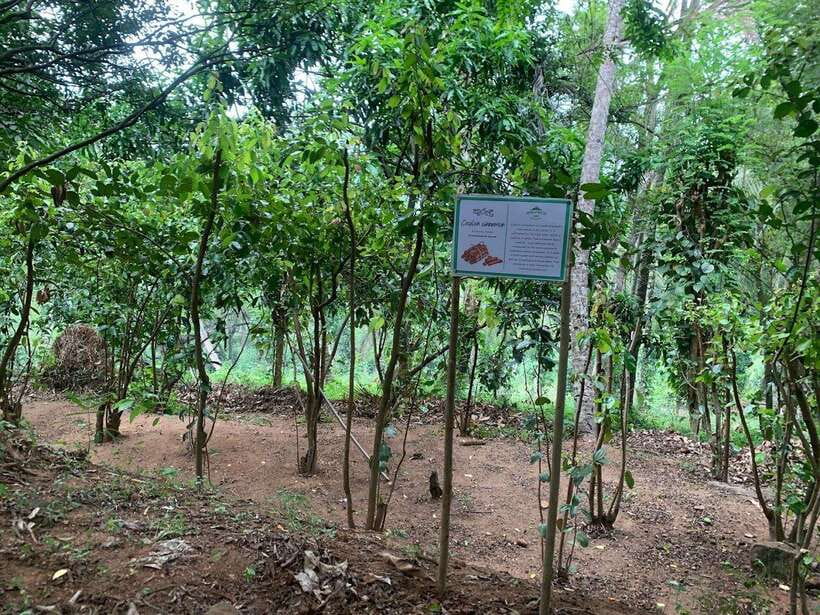
I would recommend the tour to you if you enjoy food origins, local agriculture, photography, and small-group visits. It also suits cooks who want to understand the spices they use, as well as families whose children are old enough to enjoy tasting and sensory activities.
It is a good choice for a half-day near the Central Province when you want something more hands-on than a viewpoint or a standard sightseeing stop. The cinnamon activity gives you a clear memory to take away, while the tasting helps connect the plants with Sri Lankan food.
The outing is less suitable if you want a seated experience with little walking. Pregnant women, wheelchair users, and people with mobility impairments are specifically advised not to book. Smoking is not allowed anywhere on the garden premises.
Bring comfortable shoes, a hat, sunscreen, water, a camera, and insect repellent. You can take photographs for personal use, but respect the garden by leaving plants untouched unless the guide gives permission.
Should you book the Warala Watta tour?
Book it if you want to see how Sri Lankan cinnamon is made, not just buy a packet of it. The chance to help form a cinnamon quill, taste garden spices and fruit, and then see factory processing gives the $20 price good value.
Skip it if you are looking for a city-center activity, a full meal, or an easy wheelchair-accessible stop. You also need to arrange transport yourself.
For most food-minded visitors who can manage a few hours of walking, Warala Watta offers a friendly, practical look at Sri Lanka’s spice culture. The cinnamon work, small groups, and personal guidance from Roha, Dilan, and their team are the reasons I would put this experience on a Central Province itinerary.
FAQ
How long does the Ceylon Cinnamon Experience and Spice Garden Tour last?
The stated duration is three hours. One visit lasted about two and a half hours, so the exact timing can vary slightly.
Where does the tour take place?
The experience takes place at Warala Watta Farm Spice Garden and Organic Farm in Sri Lanka’s Central Province.
How much does the tour cost?
The listed price is $20 per person.
Is transportation included?
No. You need to arrange your own transport to and from the spice garden.
What is included in the tour?
The price includes the guided spice garden walk, Ceylon cinnamon experience, farm-to-table spice tasting, tropical fruit tasting with Sri Lankan spices, and factory visit.
Is a meal included?
No. Meals are not included. The tour does include spice and fruit tastings.
What language is the tour conducted in?
The live tour guide speaks English.
How large is the group?
The tour is limited to 10 participants.
Is the garden suitable for wheelchair users?
No. The experience is not suitable for wheelchair users or people with mobility impairments.
What should I bring?
Bring comfortable walking shoes, a hat, sunscreen, water, a camera, and insect repellent. Smoking is not permitted on the garden premises.
Newly planted garden visits around the world
- Sunday Market and Gardens Tour★ 4.0 · 10 reviews
- Botanical Trails of Madeira. Mountain biking Trail Experience★ 5.0 · 42 reviews
- Monte Tropical Garden & Toboggans private Tuk-Tuk tour★ 5.0 · 25 reviews
- Funchal Old Town & Palheiro Gardens Private Tuk Tuk Tour★ 5.0 · 8 reviews
- Kensington Palace VIP Garden Tour with Royal High Tea★ 4.5 · 71 reviews
- Private Half-Day Tour to Monet’s Garden in Paris★ 5.0 · 3 reviews
- Madeira Botanical Gardens and Old Town Tuk Tuk Tour by MadTuk★ 4.5 · 7 reviews
- Secret Gardens of London Private Tour★ 5.0 · 13 reviews
Spice and Herb Gardens, bed by bed.



Penang Round Island Tour With Tropical Spice Garden & Entopia Butterfly Farm
Read our review →
Penang: Tropical Spice Garden Entrance Ticket & Guided Tours
Read our review →
Kobe: Guided Tour of Nunobiki Waterfalls and Herb Garden
Read our review →
Grenada: Spice and Herb Garden Tour with Beach Visit
Read our review →
Aromatic Experience in the Medicinal Garden in Ibiza
Read our review →
Lists this garden visit belongs to