
Review · SHANGHAI
4-Hour Shanghai Best Garden and Temple Tour with Tea Tasting
Shanghai packs a lot into four hours here: a working Buddhist temple, old lanes and market stalls, the refined rockeries of Yu Garden, and a sit-down tea tasting. The clever part is the order. You begin with quiet religious spaces, move into the lively Old Town, then finish with tea and a chance to rest.
I like the private format, since your guide can slow down for questions and explain details that are easy to miss. I also like the mix of famous sights and small cultural moments, especially the Nine Lucky Bridge, the old tea house, and the choice of tea at the end. The main drawback is time. Four hours goes quickly, and Yu Garden, the temple, and Old Town each deserve more time on their own.
Key points
- Jade Buddha Temple first: See the Hall of Four Heavenly Kings, the Grand Hall, and jade Buddha statues brought from Burma.
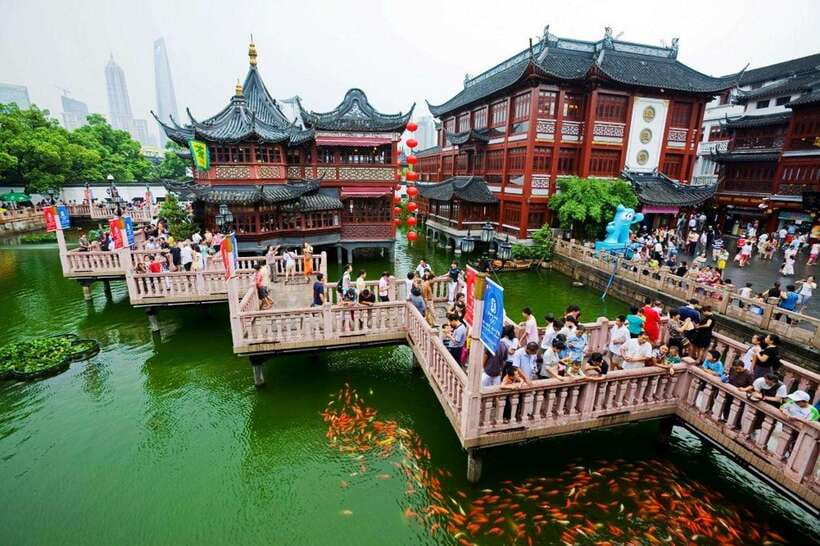
- Old Town adds local texture: Browse market stalls, crafts, trinkets, and Qing Dynasty-style buildings around the Nine Lucky Bridge.
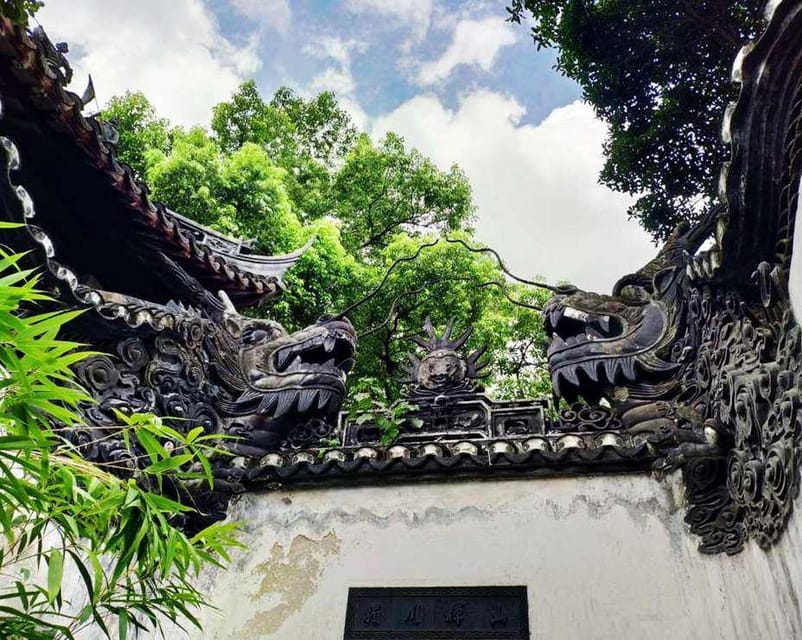
- Yu Garden is the visual centerpiece: Expect dragon walls, rockeries, pavilions, ponds, and garden courtyards dating back about 500 years.
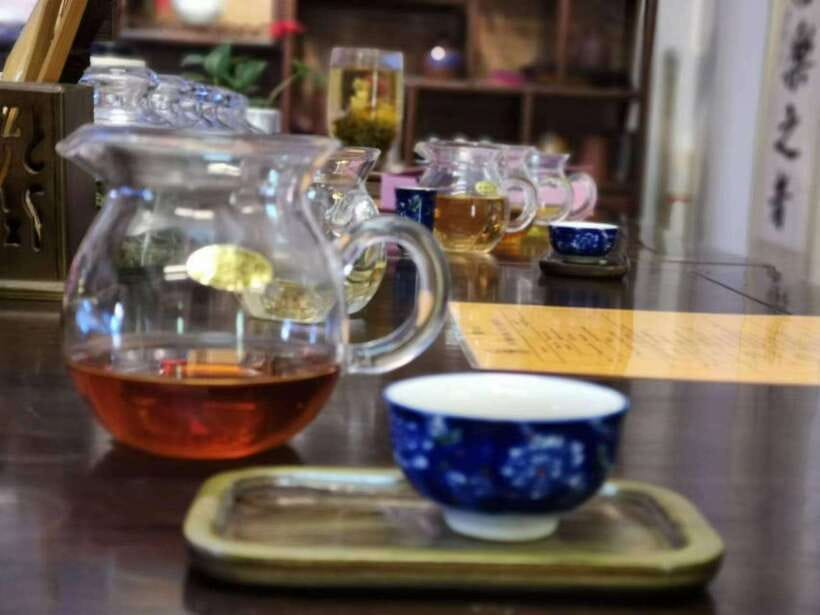
- Tea tasting closes the tour: Sit down for a traditional tea experience, with one guide-led tasting including five different teas.
- Private guidance matters: Ruby, Sunny, Mabel, and Sammi are named guides praised for clear explanations and personal help.
- Transport has two versions: Book a private air-conditioned car, or use local Uber and metro service.
A four-hour route through old Shanghai
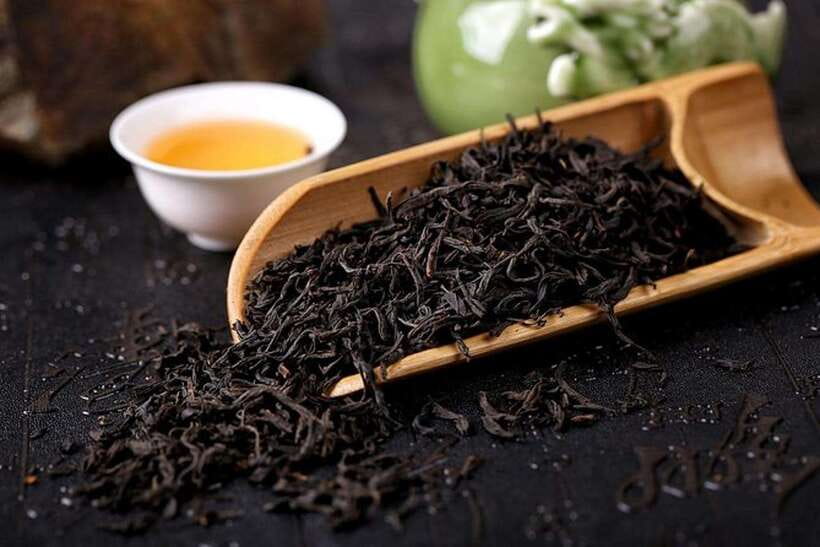
This tour works best as a compact introduction to Shanghai’s older character. The city is famous for modern towers and broad commercial streets, but this half-day route takes you into places where temple ritual, garden design, tea customs, and local commerce still shape the visit.
Your English-speaking guide picks you up from a downtown Shanghai hotel or another downtown location. The exact rhythm can vary by transport choice. With a private car, you have an air-conditioned vehicle and a driver. With the Uber and metro option, you use local transport instead.
The private group setup is useful here. A guide can explain a carved detail, pause for a question, or adjust the pace more easily than a large bus group. It also keeps the experience focused on your party, rather than on a fixed crowd.
The tour costs $99 per person. That is not the cheapest way to see these places, especially if you are comfortable arranging a metro route and buying entry tickets yourself. The value comes from the guide, entrance fees, downtown pickup and drop-off, transport under the option you select, and the time saved planning a route across several busy parts of Shanghai.
More gardens worth a morning in Shanghai:
- Shanghai: Zhujiajiao Private Tour w/ Boat Ride & Garden
★ 5.0 · 460 reviews - Best of Shanghai Day Tour, including Jade Buddha Temple & Bund & Yuyuan Garden
★ 4.0 · 338 reviews - Shanghai: Yu Garden Admission Ticket
★ 4.6 · 260 reviews
Quiet courtyards at Jade Buddha Temple
The first major stop is Jade Buddha Temple, a useful counterpoint to Shanghai’s fast pace. Instead of beginning with a market or a crowded shopping street, you start in a religious complex with a calmer mood and a clear visual focus.
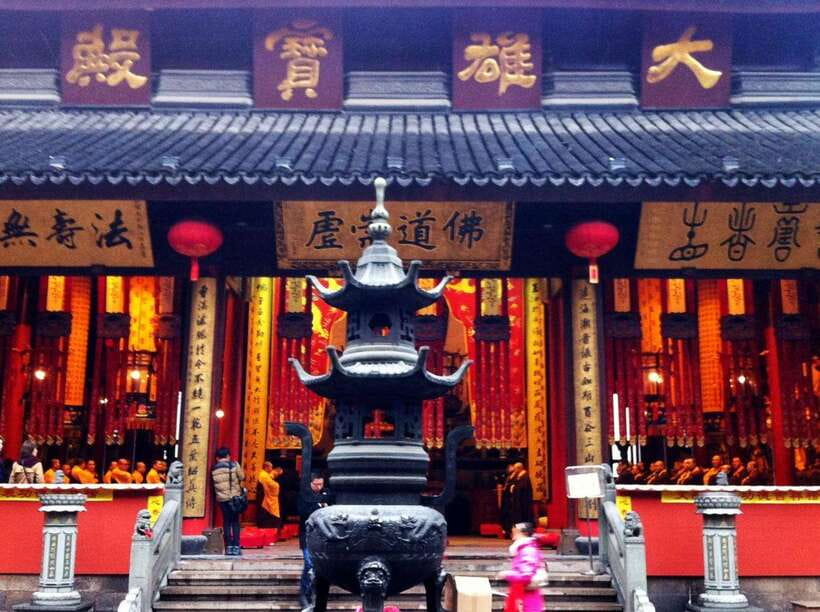
Your guide takes you through areas including the Hall of Four Heavenly Kings and the Grand Hall. These spaces give you a basic framework for understanding Buddhist temple layout and the role of figures placed within each hall. The tour is not just a photo stop. You receive an explanation of the temple’s religious customs and the meaning behind what you are seeing.
The jade Buddha statues are the main draw. They were brought from Burma, and their material and craftsmanship make them different from the larger painted or gilded figures found elsewhere in the complex. Your guide can point out the details and explain why these images matter within the temple.
I like starting here because the stop provides cultural context before the sightseeing becomes more visual. You are not simply checking off a famous Shanghai attraction. You are learning how ritual space is organized, what visitors are looking at, and why the temple has a different feel from the commercial streets outside.
Plan to listen closely and follow temple etiquette. The supplied information does not set out specific clothing rules or photography limits, so your guide is the best person to ask on the day. The visit also requires some walking through the temple complex, so comfortable shoes are sensible.
One practical point: one account of the tour describes walking to the nearby Buddha Temple before being collected by the driver for the next stop. Your transport arrangement and pickup location may affect this sequence. Confirm the meeting details when you book, especially if you prefer private-car service from your hotel.
Old Town Bazaar and the Nine Lucky Bridge
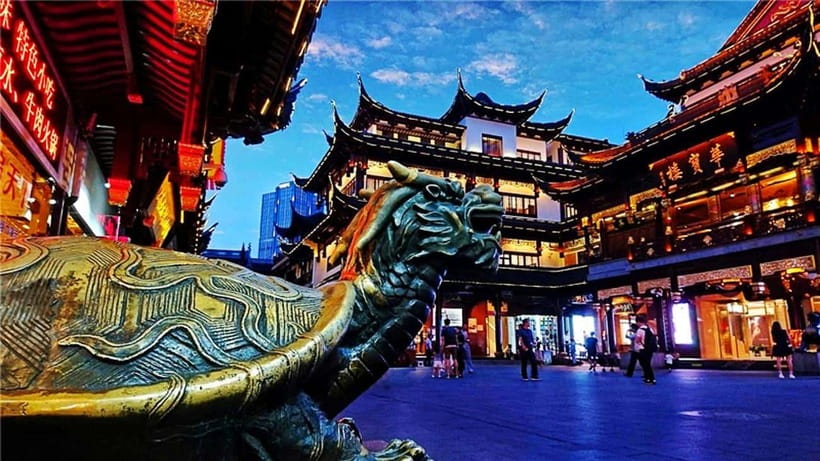
From the temple, the route turns toward Shanghai’s Old Town. This section feels less formal and more street-level. You can look at local vendors, arts, crafts, small trinkets, and the Qing Dynasty-style architecture that gives the area much of its appeal.
The Old Town Bazaar is not only about shopping. It helps you see how Shanghai presents its older urban identity, with narrow routes, traditional building details, and busy commercial activity. The area can be crowded, so stay aware of your belongings and keep track of your guide.
The Nine Lucky Bridge is one of the memorable details along the way. Its turns are part of the traditional design, and the route gives you a good chance to slow down and look at the surrounding buildings rather than racing straight toward the next sight.
You also pass a tea house said to be about 400 years old. That detail links this section to the final tea tasting. Tea is not treated as a separate tourist activity pasted onto the end of the route. It appears in the old neighborhood first as part of Shanghai’s long commercial and social life, then returns later as a sit-down cultural experience.
The bazaar portion is also the least predictable part of the tour. Market areas change with crowds, shop activity, and the pace of your group. If you want a serious shopping session, four hours is too short for that goal. If you want to see the old streets, sample the atmosphere, and perhaps pick up a small craft or keepsake, the stop fits well.
The 500-year-old design of Yu Garden
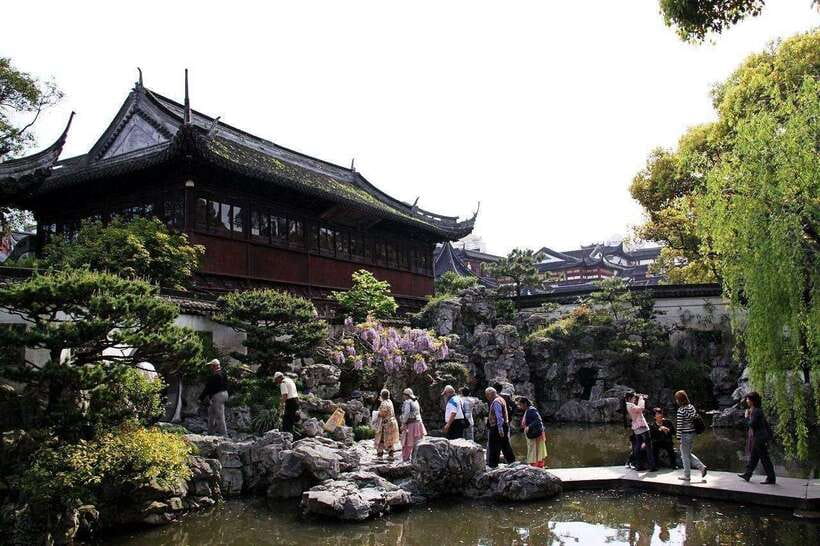
Yu Garden is the visual high point of the tour. This classical garden is about 500 years old, and its design depends on carefully arranged views rather than one grand panorama. As you walk, different courtyards open up through doorways, windows, walls, and changes in level.
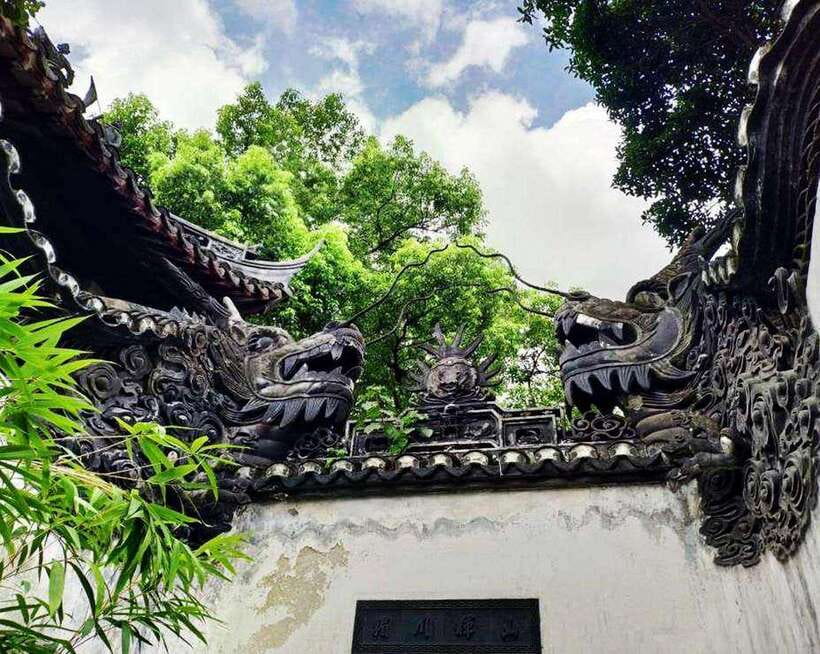
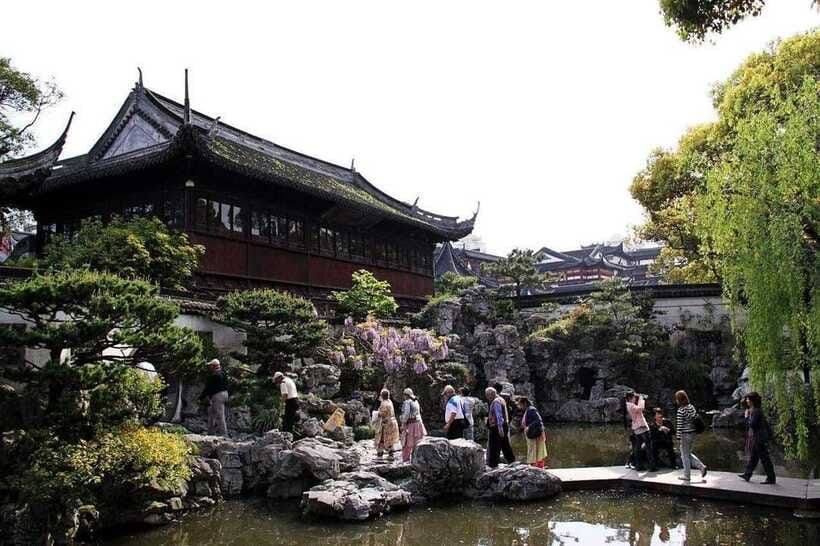
Your guide points out the famous dragon wall, distinctive rockeries, pavilions, ponds, and planted areas. The garden’s charm comes from how these pieces work together. A wall frames a view. A rockery gives height. A pavilion offers a place to pause. A pond adds reflection and movement.
I find guided visits especially useful in traditional gardens because the design can look like a collection of attractive objects if nobody explains the plan. Here, you can learn why the garden uses enclosed chambers and carefully placed openings, and how the arrangement creates changing views as you walk.
Allow yourself time to look up and sideways. The most obvious route is not always the most interesting one, and the details may be easy to miss when the garden is busy. Your guide can also help you understand how the garden connects to the surrounding Old Town rather than treating it as an isolated attraction.
The drawback is that Yu Garden can feel rushed within a four-hour itinerary. You are also visiting after the temple and bazaar, so the available time depends on traffic, crowd levels, and how long you spend at earlier stops. If Yu Garden is your top priority, tell your guide at the start and keep the market portion focused.
Still, the combination makes sense. The bazaar shows the street life around the garden, while Yu Garden shows the carefully planned private world behind the old neighborhood. Seeing both gives you a fuller picture than visiting the garden alone.
Same season, a different set of beds:
- Yu Garden, Old Street, Bund & Zhujiajiao Water Town Bus Tour
★ 4.7 · 244 reviews - Shanghai Day Tour to Zhujiajiao Water Town, Yu Garden, Bazaar, Bund
★ 5.0 · 162 reviews - Shanghai: Yu Garden Ticket+Lantern Festival Entry combo
★ 3.7 · 49 reviews - Shanghai: Yu Garden Entry Ticket with PDF Guidebook
★ 4.1 · 45 reviews
A calm tea tasting to finish
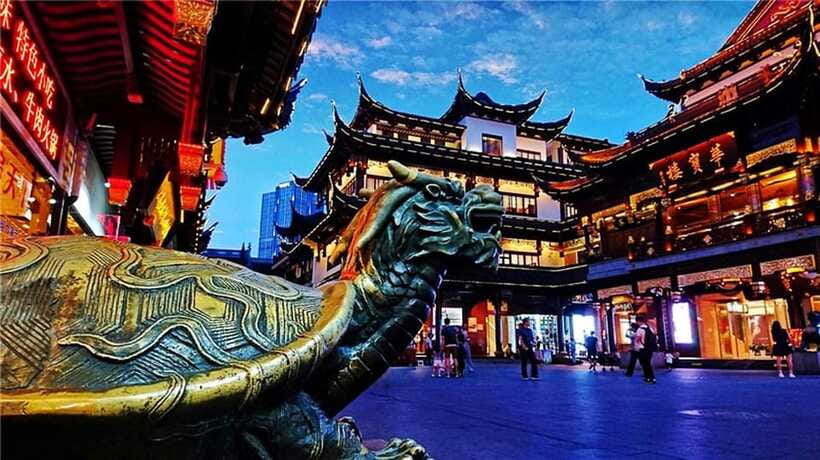
The final stop is a tea tasting. After walking through a temple, Old Town, and Yu Garden, sitting down is a welcome change of pace.
You choose a tea according to your preference and learn about local tea-drinking customs from your guide. One tour account describes tasting five different teas with explanations, so you may receive a broad comparison rather than a single cup and a quick sales pitch. The exact selection is not specified, so ask your guide what you are tasting and how it is prepared.
This part has real value because it turns tea from a souvenir into a cultural practice. You can pay attention to the method, the serving style, and the way different teas are discussed. It also gives you time to ask questions about what you saw earlier.
Keep your expectations realistic. The provided details call this a tea ceremony and tasting, but they do not promise a full meal or a formal performance. Lunch and dinner are not included, so arrange food separately if you will be hungry after the tour.
The tea stop also makes the route feel better paced. A tour made up only of temples, gardens, and walking can become tiring. Ending with a seated activity gives you a quieter final memory before the ride back to your downtown hotel.
Guides who shape the experience
The guide is one of the most important parts of this tour. Names associated with the experience include Ruby, Sunny, Mabel, and Sammi.
Ruby is described as professional and friendly, with particularly polished service around pickup and drop-off. Sunny is praised for explaining Chinese culture and introducing traditional tea customs. Mabel guided a route that included a walk to the temple, a driver transfer to Yu Garden, and a tasting of five teas.
Sammi is described as attentive, pleasant, and strong on details about Shanghai and Chinese culture. Another guide helped when a visitor lost a phone in a Didi ride, which shows the practical advantage of having a local person with you when something goes wrong.
You should not assume you will receive a particular guide unless the operator confirms it. The useful point is that the service is built around a live English-speaking guide, not an audio track or a printed route. That matters at places where the meaning is not obvious from the architecture alone.
Car or Uber and metro?
You choose between two transport arrangements. The private-car option includes a driver and air-conditioned vehicle. The Uber and metro option uses local transport.
A private car is the easier choice if you value comfort, want to minimize transfers, or have limited time in Shanghai. It also keeps the route more direct, though traffic can still affect the schedule.
The Uber and metro choice may suit you if you want a more local way to move through the city or prefer a lower-cost transport setup. The information provided does not specify the price difference between the two options, so check the booking screen before deciding.
Downtown pickup and drop-off are included, but the stated pickup area is downtown Shanghai. If your hotel is outside the downtown zone, confirm eligibility before booking. You should also wait in your hotel lobby at the start time, since that is the stated meeting arrangement.
Who will get the most from this tour?
I would recommend this tour to a first-time Shanghai visitor who wants a guided introduction to older parts of the city without spending a full day on one attraction. It suits couples, families, and small private groups that prefer to ask questions as they go.
It is also a good fit if you want cultural background rather than only photographs. The temple explanation, garden design, and tea customs give the route more substance than a simple sightseeing transfer.
You may want a different plan if you prefer to move slowly, shop at length, or spend several hours in Yu Garden alone. The four-hour limit means you need to keep moving, and the Old Town Bazaar is better for a brief look than for serious browsing.
The tour is conducted in English. The private format is helpful for mixed-age groups, since the guide can adjust explanations and walking pace within reason. The information does not specify accessibility arrangements, so ask the operator directly if you need step-free access or special transport support.
Booking, timing, and the $99 value
The duration is four hours, with starting times shown according to availability. Cancellation is free up to 24 hours in advance, and you can reserve now and pay later. Those terms are useful if your Shanghai schedule may shift, but they do not make the time limit any longer.
At $99 per person, the tour makes the most sense when you place a high value on a private guide and efficient planning. You receive entry to Yu Garden and Jade Buddha Temple, tea tasting, downtown pickup and drop-off, and either a private car or local Uber and metro service based on your selection.
For a solo visitor, the price may feel high compared with self-guided sightseeing. For a small group, the cost can be easier to justify because the guide and vehicle arrangements serve your party rather than a large coach load.
I would also factor in the cost of your own time. Finding the temple, Old Town, Yu Garden, tickets, transport, and a suitable tea house takes planning. This tour bundles those pieces into one morning or afternoon, with an English-speaking guide to connect them.
Should you book it?
Book this tour if you want a well-organized introduction to traditional Shanghai and prefer help with transport, temple customs, garden details, and tea culture. The strongest reasons are the private format, the consistently praised guides, and the smart mix of major sights with smaller details such as the Nine Lucky Bridge and old tea house.
Skip it if you want a slow garden visit, a long market session, or the freedom to linger at every stop. Four hours is efficient, not leisurely.
For most first-time visitors with limited time, I think the tour offers solid value at $99, especially with a private car and downtown pickup. Choose the transport option carefully, wear comfortable shoes, and tell your guide which stop matters most to you.
FAQ
How long does the Shanghai garden and temple tour last?
The tour lasts four hours.
What attractions are included?
The route includes Jade Buddha Temple, Shanghai Old Town Bazaar, the Nine Lucky Bridge area, Yu Garden, and a tea tasting.
Is Yu Garden admission included?
Yes. Entrance to Yu Garden is included.
Is Jade Buddha Temple admission included?
Yes. Entrance to Jade Buddha Temple is included.
Is the tour private?
Yes. The activity is arranged for a private group.
Is an English-speaking guide provided?
Yes. The tour includes a live English-speaking guide.
Who picks me up, and where?
A local guide picks you up from your downtown Shanghai hotel or another downtown area. You should wait in the hotel lobby at the activity start time.
Is transportation included?
Yes, but the type depends on the option you book. The private-car option includes a private driver and air-conditioned vehicle. The Uber and metro option includes local Uber and metro transport.
Is food included?
No. Lunch and dinner are not included.
Can I cancel for a refund?
Yes. You can cancel up to 24 hours in advance for a full refund.
Newly planted garden visits around Shanghai
- Three Hour Shanghai Tour Tai Chi and Yu Garden★ 5.0 · 2 reviews
- Shanghai:Old Town, Yu Garden, Zhujiajiao Water Town Bus Tour★ 4.7 · 16 reviews
- Shanghai: Yu/Yuyuan Garden Entry Ticket–E ticket★ 4.4 · 24 reviews
- Shanghai: Yu Garden Entry Ticket with PDF Guidebook★ 4.1 · 45 reviews
- Shanghai: Yu Garden with Entry Tickets(optional)★ 4.5 · 28 reviews
- Shanghai: All-Inclusive Suzhou Gardens & Grand Canal Trip★ 5.0 · 2 reviews
- Shanghai: Jing’an Temple, Yu Garden, and Bazaar Private Tour★ 5.0 · 3 reviews
- Shanghai: Yu Garden Ticket+Lantern Festival Entry combo★ 3.7 · 49 reviews
China Garden Tours, bed by bed.

Shanghai: Zhujiajiao Private Tour w/ Boat Ride & Garden
Read our review →

Beijing:Jingshan Park (Palace Museum Garden) Ticket
Read our review →
Shanghai: Yu Garden Ticket+Lantern Festival Entry combo
Read our review →
Shanghai: Yu Garden Entry Ticket with PDF Guidebook
Read our review →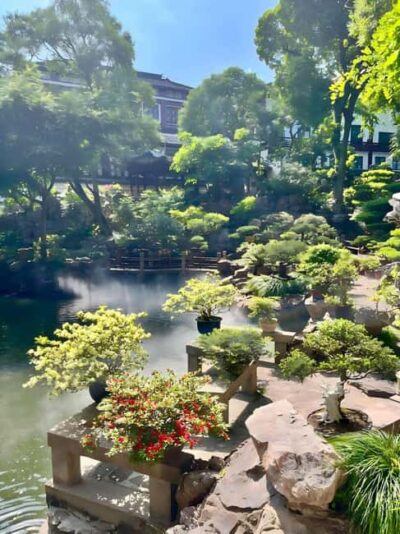
Shanghai: Yu Garden with Entry Tickets(optional)
Read our review →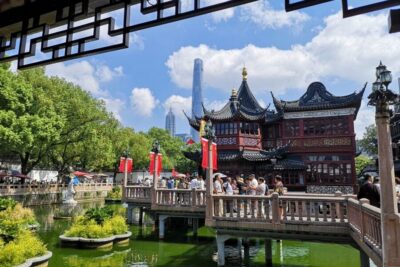
Shanghai: Yu Garden and City God Temple Walking Tour
Read our review →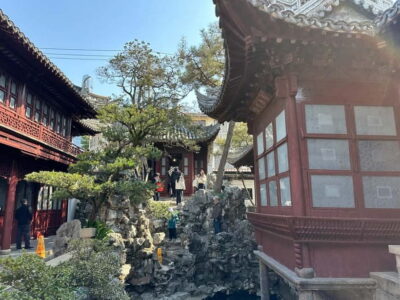
Shanghai: Yu/Yuyuan Garden Entry Ticket–E ticket
Read our review →Lists this garden visit belongs to